April 18, 2026

Month: January 2026

Platforms for content creators have revolutionized the way individuals share their creativity and monetize their passions. This evolving landscape provides diverse tools and spaces for artists, writers, and filmmakers to connect with global audiences while generating income. With the rise of digital media consumption, these platforms are not just trends; they are essential for anyone looking to thrive in the creative industry.

From user-friendly interfaces to robust monetization options, each platform offers unique features tailored to different types of creators. By exploring the variety of available platforms, content creators can choose the right environment that aligns with their objectives and audience engagement strategies.

Platforms Overview

The landscape of content creation is vast and evolving, with an array of platforms available to cater to diverse creator needs. Understanding these platforms is essential for content creators to effectively share their work and engage with audiences. Each platform offers unique features that appeal to different types of creators, ranging from video producers to writers and artists. Content creator platforms can be broadly categorized into several types, including social media platforms, video-sharing sites, blogging platforms, and e-commerce platforms.

These categories serve distinct purposes and audiences, which significantly influence how creators use them to build their brands and monetize their work.

Types of Content Creator Platforms

The primary types of platforms available for content creators include:

  • Social Media Platforms: Platforms like Instagram, Twitter, and TikTok are designed for sharing quick updates, visuals, and short-form content, allowing creators to engage directly with their audience in real-time.
  • Video-Sharing Sites: Platforms such as YouTube and Vimeo focus on long-form video content. They provide sophisticated tools for editing, analytics, and monetizing videos through ads or subscriptions.
  • Blogging Platforms: Websites like WordPress and Medium enable creators to publish written content, allowing for in-depth discussions and storytelling. They often come with customizable templates and integrated tools.
  • E-commerce Platforms: Sites like Etsy or Shopify empower creators to sell their products directly to consumers, providing tools for inventory management, payment processing, and marketing.

The differentiation between these platforms lies in their features and functionalities. Social media platforms are geared towards rapid engagement and virality, while video-sharing sites focus on content longevity and visual storytelling. Blogging platforms prioritize written content and , and e-commerce platforms enable direct product sales, making them ideal for creators with tangible offerings.According to recent statistics, the content creator economy is experiencing significant growth.

As of 2023, the market is projected to reach $104 billion, with an annual growth rate of 25%. This surge reflects increased user engagement and the rising popularity of platforms that support diverse content formats. The number of active content creators has also seen a notable increase, with platforms like YouTube reporting over 51 million channels and TikTok boasting more than 1 billion monthly active users, showcasing the immense potential for exposure and monetization within this space.

Popular Platforms

With the rise of digital content creation, various platforms have emerged, providing tools and opportunities for creators to share their work, connect with audiences, and monetize their efforts. Each platform has unique characteristics that cater to different types of content and demographics, making it essential for creators to choose the right one for their needs. Below, we explore some of the top platforms used by content creators today.

Overview of Top Content Creator Platforms

Understanding the landscape of content creation platforms is crucial for anyone looking to establish a presence online. Here’s a look at some of the most popular platforms, their user demographics, and the monetization options they offer.

  • YouTube

    YouTube remains the leading video-sharing platform, appealing to a diverse audience ranging from young children to adults. It allows creators to upload videos, live stream, and interact with audiences through comments.

    User Demographics: Predominantly used by individuals aged between 18 to 34 years, with a significant number of users over 50. Approximately 2 billion logged-in users visit the platform monthly.

    Monetization Options: Monetization is available through ad revenue, channel memberships, Super Chat during live streams, and merchandise shelf integration.

  • Instagram

    Instagram is a visual-centric platform that thrives on photo and video content. It is particularly popular among lifestyle, fashion, and travel influencers.

    User Demographics: The platform has a younger user base, with around 67% of users aged 18-29. It boasts over 1 billion monthly active users.

    Monetization Options: Creators can earn through sponsored posts, affiliate marketing, IGTV ads, and Instagram Shop features.

  • TikTok

    TikTok has rapidly gained popularity by enabling users to create short, engaging videos often set to music. Its algorithm promotes content, making it easier for new creators to gain visibility.

    User Demographics: The app is particularly popular among Gen Z, with over 60% of users aged 16-24. It has over 1 billion active users worldwide.

    Monetization Options: Creators can monetize through the TikTok Creator Fund, brand partnerships, and livestream gifting features.

  • Patreon

    Patreon allows creators to offer subscription-based memberships, providing exclusive content to their supporters. This platform is favored by artists, writers, and podcasters.

    User Demographics: Primarily used by creators with a dedicated following, Patreon has millions of active patrons and creators from various genres.

    Monetization Options: Creators earn through monthly subscriptions, tiered memberships, and exclusive content offerings.

  • Twitch

    Twitch is primarily a live streaming platform focused on gaming, but it has expanded to include creative content and real-life streams. It enables real-time interaction between streamers and viewers.

    User Demographics: Mainly attracts younger audiences, with 73% of users aged between 18-34 years. The platform has approximately 140 million monthly active users.

    Monetization Options: Streamers can earn through subscriptions, Bits (a form of virtual tipping), and ad revenue.

Monetization Strategies

Content creators today have a multitude of monetization strategies at their disposal, allowing them to transform their passion into a profitable venture. As digital platforms evolve, so do the opportunities for creators to earn revenue through various means tailored to their audience and content type.Different monetization methods include advertising revenue, sponsored content, merchandise sales, donations, and subscription models. Each method has unique advantages and can be leveraged based on the creator’s brand and audience engagement.

Understanding these strategies is crucial for maximizing income potential.

Monetization Methods

Exploring diverse monetization methods can significantly enhance a creator’s financial sustainability. Here are some popular monetization methods available:

  • Advertising Revenue: Many platforms allow creators to earn money through ads displayed on their content. For instance, YouTube’s Partner Program enables creators to earn a share of the ad revenue generated from their videos.
  • Sponsorships: Collaborating with brands to promote their products or services is a common strategy. Creators often create dedicated content or integrate sponsored messages in a way that resonates with their audience.
  • Merchandise Sales: Selling branded merchandise, such as clothing, accessories, or digital products, creates a direct revenue stream while enhancing the creator’s brand identity.
  • Donations and Crowdfunding: Platforms like Patreon allow fans to support creators through monthly donations in exchange for exclusive content or perks.
  • Subscription Models: Some platforms enable creators to charge a subscription fee for access to premium content, fostering a more intimate community experience.

Setting Up a Subscription Model

Implementing a subscription model can be a game-changer for creators looking to secure a steady income. Most platforms provide straightforward steps to set this up, such as selecting a subscription tier, defining subscriber benefits, and promoting the subscription to the audience. For example, on platforms like Patreon, creators can set up multiple subscription tiers—each offering different levels of access to exclusive content.

This not only attracts more subscribers but also incentivizes existing supporters to upgrade their plans. The importance of clearly communicating the value of each subscription tier cannot be overstated. Subscribers should feel they receive something special in return for their support. Creators often offer behind-the-scenes content, personalized interactions, or early access to new projects as incentives.

Examples of Successful Monetization Strategies

Several top creators have successfully employed diverse monetization strategies to build sustainable revenue streams. Notable examples include:

  • MrBeast: Leveraging his massive YouTube following, MrBeast has effectively utilized sponsorships and merchandise sales, generating millions in revenue while maintaining audience engagement.
  • Tati Westbrook: A beauty influencer who successfully transitioned to a subscription model through Patreon, providing exclusive tutorials and behind-the-scenes content for her supporters.
  • Joe Rogan: The podcast host has seen immense success with exclusive content on Spotify, coupled with merchandise sales and sponsorships, creating a multi-faceted income approach.

These examples illustrate how creators can combine various strategies to optimize their earnings while catering to their fan base’s preferences and needs.

Tools and Resources

Content creation requires a blend of creativity and technical skills, making the right tools essential for success. Various platforms offer a range of resources that can enhance the quality and efficiency of content production. From software applications that streamline editing to hardware that improves recording quality, understanding these tools is vital for both aspiring and established creators.

Essential Tools for Content Creation

To effectively produce and manage content across different platforms, creators should focus on a mix of software and hardware tools. The following list highlights key resources categorized by their function:

  • Video Editing Software: Applications like Adobe Premiere Pro and Final Cut Pro provide advanced editing features that allow creators to produce professional-quality videos.
  • Graphic Design Tools: Canva and Adobe Photoshop enable creators to design eye-catching graphics without needing extensive graphic design knowledge.
  • Audio Editing Software: Tools such as Audacity and Adobe Audition are essential for podcasters and video creators who need to refine their audio quality.
  • Screen Recording Software: OBS Studio and Camtasia allow creators to capture high-quality video tutorials and live streams.
  • Project Management Tools: Trello and Asana help organize tasks and collaborate with team members efficiently.

Hardware Recommendations for Creators

The right hardware can significantly enhance the content creation process. Below is a table that Artikels vital hardware recommendations:

Type Recommendation Purpose
Camera Canon EOS M50 High-quality video and photo capabilities for vlogging and photography.
Microphone Blue Yeti Professional audio recording quality for podcasts and voiceovers.
Lighting Neewer Ring Light Provides optimal lighting conditions for video shoots and photography.
Computer Apple MacBook Pro Powerful performance for video editing and graphic design tasks.

Utilizing Analytics Tools to Track Performance

Analytics tools are invaluable for content creators looking to understand their audience and optimize their content strategy. Platforms like YouTube and Instagram offer built-in analytics that provide insights into viewer engagement and content performance. Creators can track metrics such as viewer demographics, watch time, and engagement rates.

“Effective use of analytics allows creators to refine their content strategy and grow their audience.”

Understanding these analytics helps creators identify which types of content resonate with their audience and can guide future content decisions. By regularly reviewing performance data, creators can adapt to trends and enhance their content offerings, ensuring sustained engagement and growth.

Community Engagement

Building a strong community on content creator platforms is essential for fostering loyalty, increasing visibility, and enhancing the quality of interactions. A well-engaged community not only supports creators but also contributes to their growth and success. Let’s explore some effective methods for engaging with an audience and encouraging meaningful interactions.

Methods for Building a Community

Creating a vibrant community requires intentional strategies and consistent efforts. Here are several methods to build an engaging community around your content:

  • Regular Interaction: Actively engage with your audience through comments, messages, and live sessions. Responding to comments or hosting Q&A sessions creates a welcoming environment.
  • Exclusive Content: Offer behind-the-scenes content, sneak peeks, or exclusive materials to your community members. This fosters a sense of belonging and makes followers feel valued.
  • Community Challenges: Organize challenges or contests that encourage participation. These can range from creative prompts to skill-based competitions, allowing followers to showcase their talents.
  • Feedback Requests: Regularly ask for feedback on your content. This not only shows that you value their opinions but also helps tailor your content to better fit the audience’s preferences.
  • Collaborative Projects: Involve your community in collaborative projects or co-creating content. This can lead to a deeper connection between you and your audience, as they feel part of your creative process.

Strategies for Increasing Audience Interaction

Engagement is not just about creating content; it’s also about how actively your audience participates. Here are strategies to effectively increase interaction:

  • Call to Action: Incorporate clear calls to action in your posts, encouraging comments, shares, or likes. Phrasing like “What do you think about this?” prompts responses.
  • Polls and Surveys: Use polls or surveys to gather opinions on topics relevant to your content. This not only engages followers but provides valuable insights into their preferences.
  • Live Streaming: Utilize live streaming to interact in real-time. Engaging with your audience during live sessions allows for immediate feedback and creates a sense of urgency.
  • Community Spotlight: Feature community members or highlight their contributions regularly. This recognition encourages others to engage more to be featured.
  • Gamification: Introduce elements of gamification, like badges or points for participation, to motivate followers to engage more with content and each other.

Effective Community Engagement Practices

Several content creators have successfully implemented community engagement practices that can serve as inspiration:

  • Discord Servers: Creators like Jschlatt have built dedicated Discord servers, allowing fans to connect, share, and engage in discussions about their content beyond the platform.
  • Patreon Exclusives: Many creators use platforms like Patreon to offer tiered membership with exclusive content. This creates a deeper connection with fans who are willing to support them financially.
  • Weekly Themes: Some creators establish weekly themes or discussions where followers can share their thoughts or content related to a specific topic, fostering community participation.

“Community is about people coming together, not just to consume content, but to create and share experiences.”

Marketing and Promotion

Promoting content effectively across various platforms is essential for reaching a wider audience and driving engagement. It involves strategic planning and execution to ensure that content not only reaches its intended audience but also resonates with them. By utilizing multiple channels, content creators can amplify their message and enhance visibility.A comprehensive strategy for promoting content involves several key steps. Each step is crucial for maximizing the reach and impact of the content created.

Implementing these strategies can significantly improve discoverability and engagement.

Steps for Promoting Content Across Multiple Platforms

To effectively promote content across different platforms, it’s important to tailor your approach to each platform’s unique characteristics. Below are key steps to consider:

1. Identify Target Audience

Understand who your audience is and where they spend their time online. This knowledge will help in selecting the right platforms for promotion.

2. Create Platform-Specific Content

Customize your content for each platform. For instance, use eye-catching visuals for Instagram, concise text for Twitter, and engaging articles for LinkedIn.

3. Utilize Best Practices

Optimize all content for search engines by using relevant s, meta descriptions, and alt text for images. This enhances discoverability on search engines.

4. Develop a Content Calendar

Schedule your posts for consistency. A content calendar helps ensure that you are regularly engaging with your audience.

5. Cross-Promotion

Share your content on different platforms. For instance, promote your YouTube videos on Instagram and Twitter to drive traffic between platforms.

6. Engage with Your Audience

Actively interact with your audience through comments, messages, and shares. Building a relationship fosters loyalty and increases the likelihood of content being shared.

7. Utilize Paid Advertising

Consider using paid ads on platforms like Facebook or Google Ads to reach a broader audience quickly.

Checklist for Optimizing Content for Discoverability

Optimizing content for discoverability is critical to ensure that it reaches the intended audience. Here is a checklist to help enhance your content’s visibility across various channels:

Research

Identify and integrate relevant s into your content.

Engaging Titles

Craft attention-grabbing titles that encourage clicks.

Meta Tags

Use appropriate meta tags to enhance searchability.

Quality Images

Include high-quality images with descriptive alt text.

Content Length

Ensure content length is suitable for the platform; long-form for blogs, shorter for social media.

Internal and External Links

Link to other relevant content and reputable sources to improve credibility.

Mobile Optimization

Ensure content is mobile-friendly, as a significant amount of web traffic comes from mobile devices.

Leveraging Social Media to Enhance Content Visibility

Social media platforms offer powerful tools for enhancing the visibility of content. Here are effective methods to leverage social media:

1. Shareable Content

Create content that is easily shareable, such as infographics or quotes, which encourages users to share it with their networks.

2. Engagement Tactics

Use polls, questions, and interactive posts to engage your audience, which can lead to increased shares and visibility.

3. Hashtags

Utilize relevant hashtags to increase the reach of your posts. Popular hashtags can expose your content to a broader audience.

4. Influencer Collaborations

Partner with influencers who align with your brand to tap into their followers and expand your reach.

5. Regular Updates

Post consistently and at optimal times when your audience is most active. This will help in keeping your content fresh and visible.

6. User-Generated Content

Encourage your audience to create content related to your brand, which can enhance engagement and visibility through their networks.

“Effective marketing and promotion strategies are integral to maximizing the reach and impact of your content across multiple platforms.”

Challenges Faced by Creators

Content creators encounter a variety of challenges across platforms that can impede their growth and engagement. These challenges range from algorithm changes to audience retention and monetization issues. Understanding these obstacles is crucial for creators aiming to build a sustainable presence in the digital space.One of the foremost challenges is navigating the ever-changing algorithms of social media and content platforms.

These algorithms often prioritize certain types of content, making it difficult for creators to maintain visibility. Additionally, creators may face issues related to audience engagement, such as fluctuating follower counts and low interaction rates. Monetization can also be a hurdle, as various platforms enforce strict guidelines and policies that can affect income stability.

Common Challenges for Creators

Content creators must grapple with several common issues that can impact their creative output and overall success. Acknowledging these challenges and implementing effective strategies can significantly improve their experience.

  • Algorithm Changes: Platforms frequently update their algorithms, which can suddenly limit the reach of content. For example, a creator who previously gained significant traction may notice a sharp decline in views after an algorithm update.
  • Burnout: The pressure to consistently produce high-quality content can lead to creator burnout. This can diminish creativity and motivation over time.
  • Monetization Issues: Many platforms have stringent eligibility criteria for monetization, leaving creators frustrated. For instance, changes in YouTube’s Partner Program requirements have led to many creators losing their revenue streams.
  • Audience Engagement: Building and maintaining an engaged audience is critical yet challenging. Creators often battle with low engagement metrics despite having a substantial follower count.
  • Intellectual Property Concerns: Protecting creative work is paramount, yet many creators face copyright strikes or disputes that threaten their content.

Solutions to Overcome Challenges

Implementing effective strategies can help creators navigate the challenges they face. Solutions can enhance not only their content but also their overall experience on various platforms.

  • Adaptability: Staying informed about algorithm changes and adapting content strategies accordingly can help maintain visibility. Regularly reviewing platform updates is essential.
  • Content Scheduling: Using content calendars and scheduling tools can alleviate the pressure of consistent posting and help manage time effectively.
  • Diverse Revenue Streams: Exploring multiple monetization methods, such as sponsorships, merchandise, and crowdfunding, can provide financial stability.
  • Engagement Strategies: Fostering genuine connections with audiences through Q&A sessions, polls, and feedback requests can boost engagement levels.
  • Copyright Education: Educating oneself about copyright laws and utilizing proper licensing can protect creators’ work from infringement.

Case Studies of Successful Creators

Several creators have successfully navigated these challenges, providing valuable insights for others facing similar issues. Their experiences highlight practical solutions and resilience in the face of adversity.

  • Case Study: Sarah’s Art Channel
    -After experiencing a significant drop in views due to algorithm changes on YouTube, Sarah diversified her content by incorporating tutorials and live streams. This adaptation not only restored her viewer engagement but also expanded her audience base.
  • Case Study: Mike’s Fitness Blog
    -Mike faced burnout from constant content creation. He implemented a content schedule that included breaks and collaborated with other fitness influencers, which revitalized his creativity and reduced stress.
  • Case Study: Laura’s Cooking Show
    -After struggling with monetization on social media, Laura began offering online cooking classes and created a subscription service. This not only provided her with a steady income but also enhanced her community engagement.

“Adaptability and innovation are key in overcoming the hurdles faced by content creators. Embracing change opens doors to new opportunities.”

Future Trends in Content Creation
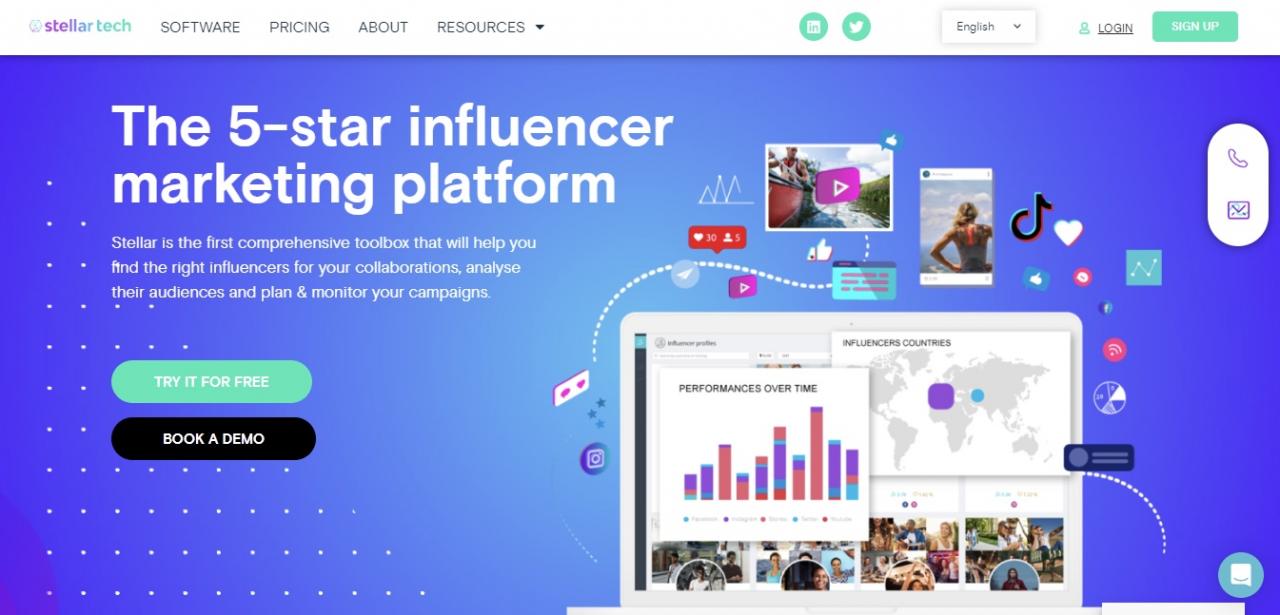
The Top Subscription Platforms for Online Content Creators in 2024

As we look ahead to the evolving landscape of content creation, several trends are poised to shape the platforms that creators use and the ways they engage with audiences. The intersection of technology, audience preferences, and innovative content formats will define the next chapter of creative expression. Creators must remain agile to adapt to these changes, ensuring their content remains relevant and resonates deeply with viewers.The future of content creation will be significantly influenced by advancements in technology.

Emerging tools and platforms will enhance production capabilities and streamline content distribution. Technologies like artificial intelligence (AI), virtual reality (VR), and augmented reality (AR) are not just buzzwords; they are creating new opportunities for immersive and interactive experiences that can captivate audiences in ways traditional methods cannot.

Technological Innovations Shaping Content Creation

Technological advancements are pivotal in transforming how content is produced, shared, and consumed. These innovations include:

  • AI-Powered Tools: Tools that leverage AI to assist creators in editing, generating ideas, or even creating content autonomously. For example, platforms like Jasper.ai can help writers generate engaging text quickly.
  • Immersive Experiences: The rise of VR and AR allows creators to develop interactive content that engages users on a deeper level. Think of virtual tours or AR filters that enhance storytelling.
  • Blockchain Technology: This offers new ways for creators to monetize their work through NFTs (non-fungible tokens), giving them more control over their intellectual property.
  • Live Streaming and Real-Time Engagement: Platforms like Twitch and Instagram Live have made real-time interaction a core part of content creation, allowing creators to connect with their audiences instantly.

Shifts in audience preferences are also critical in guiding the future of content creation. With an increasingly discerning viewer base, content creators need to focus on authenticity, community engagement, and diverse formats to maintain relevance.

Shifts in Audience Preferences

Understanding and adapting to audience preferences is essential for creators seeking to build lasting connections. Changes include:

  • Preference for Authenticity: Audiences gravitate towards genuine, relatable content rather than overly polished productions. Creators should embrace their unique voices and share behind-the-scenes moments.
  • Short-Form Content: Platforms like TikTok have popularized bite-sized videos, prompting creators to craft concise, engaging content that captures attention quickly.
  • Community-Centric Content: Viewers are increasingly looking for content that fosters a sense of belonging. Creators who engage with their communities through comments and live sessions can cultivate loyal followers.
  • Diversity and Inclusion: Audiences are more inclined to support creators who represent diverse backgrounds and perspectives. Creators should leverage this by showcasing varied narratives and voices.

As the landscape of content creation unfolds, embracing these trends will empower creators to navigate an ever-changing environment, ensuring they not only survive but thrive in the years to come.

Final Wrap-Up

In summary, the world of platforms for content creators is filled with potential for growth and innovation. As technology advances and audience preferences evolve, these platforms will continue to adapt, offering creators more opportunities to engage, monetize, and expand their reach. Embracing these changes will be key for creators aiming to establish a lasting impact in their respective fields.

Questions and Answers

What are the most popular platforms for content creators?

Some of the most popular platforms include YouTube, Patreon, Twitch, Instagram, and TikTok, each catering to different types of content and audiences.

How do I choose the right platform for my content?

Consider your audience, the type of content you produce, and the monetization options available when selecting a platform.

Can I use multiple platforms simultaneously?

Yes, many content creators use multiple platforms to maximize their reach and engage with different audience segments effectively.

How do I promote my content on these platforms?

Utilize social media, collaborate with other creators, and engage with your audience to promote your content across various channels.

What challenges do content creators face?

Common challenges include audience growth, monetization issues, and platform algorithm changes, but these can often be navigated with strategic approaches.

Is bitcoin a money sets the stage for this enthralling narrative, offering readers a glimpse into a story that is rich in detail and brimming with originality from the outset. The evolution of money has been a fascinating journey, from tangible coins to digital currencies, and Bitcoin stands at the forefront of this transformation. This discussion will delve into whether Bitcoin meets the criteria of money, how it functions as a medium of exchange, and its potential to redefine financial systems.

Definition of Money

Money is fundamentally a medium that facilitates transactions, serving as a unit of account, a store of value, and a standard of deferred payment. Over time, the concept of money has evolved dramatically, from barter systems to the introduction of coins, banknotes, and now digital currencies. Historically, money has taken many forms, such as shells, gold, silver, and fiat currencies.

Each form has its own characteristics, but they all aimed to fulfill the basic functions of money.Historically, money transitioned from commodity money—such as gold and silver—to fiat money, which derives its value from government regulation and trust. Bitcoin, as a cryptocurrency, represents a new form of money that operates outside traditional financial systems. To be considered money, an asset typically needs to meet several criteria: it must be a widely accepted medium of exchange, a stable unit of account, a reliable store of value, and divisible into smaller units.

Bitcoin as a Currency

Bitcoin functions as a medium of exchange by allowing users to conduct transactions directly without the need for intermediaries, such as banks. This peer-to-peer technology enables users to send and receive payments globally within minutes. Several businesses, from small online shops to large corporations like Microsoft and Overstock, now accept Bitcoin as payment, showcasing its growing acceptance in the commercial arena.Using Bitcoin for everyday purchases comes with its own set of advantages and disadvantages.

On the positive side, transactions can be faster and cheaper than traditional banking methods, particularly for international transfers. However, the price volatility of Bitcoin poses a challenge for consumers; the value can fluctuate significantly in a short period, making it less reliable for everyday transactions compared to stable currencies.

Bitcoin’s Value Proposition

Bitcoin derives its value from several unique features, including its scarcity and decentralized nature. Unlike fiat currencies that can be printed in unlimited quantities, the total supply of Bitcoin is capped at 21 million coins, which creates a sense of scarcity similar to precious metals like gold. This limited supply, combined with growing demand, contributes to its value.However, Bitcoin’s volatility is a double-edged sword.

While it can lead to significant gains for traders, it also raises concerns about its usability as money. In contrast to gold, which has historically been a stable store of value, Bitcoin’s price can be significantly more erratic. Over the years, its value has experienced dramatic rises and falls, making it a riskier asset compared to traditional commodities.

Legal and Regulatory Framework

The legal status of Bitcoin varies widely around the globe. In some countries, Bitcoin is embraced as a legitimate form of currency, while others have imposed strict regulations or outright bans. For instance, countries like El Salvador have adopted Bitcoin as legal tender, while China has cracked down on cryptocurrency trading and mining, reflecting differing governmental attitudes.Regulations impact Bitcoin’s functionality as money significantly.

In regions with supportive legislation, businesses and consumers are more likely to adopt Bitcoin, whereas restrictive environments can hinder its growth. The approach governments take toward Bitcoin often influences its acceptance and integration into everyday financial systems.

Bitcoin vs. Traditional Banking

Bitcoin challenges the traditional banking system by offering an alternative that operates outside of central authority controls. Transactions made with Bitcoin do not require intermediaries, which can lead to lower fees and faster processing times compared to conventional banking methods. This decentralized nature also provides an opportunity for individuals without access to traditional banking services to participate in the economy.The potential for Bitcoin to enhance financial inclusion is particularly significant for unbanked populations.

By providing a means to store and transfer value without needing a bank account, Bitcoin can empower individuals who have been excluded from the traditional financial system.

Future of Bitcoin as Money

The future of Bitcoin as a widely accepted form of money is still uncertain but holds potential for growth. As technological advancements improve the scalability and efficiency of Bitcoin transactions, its use could become more practical for everyday purchases. Additionally, the development of central bank digital currencies (CBDCs) may influence Bitcoin’s status in the financial ecosystem. If CBDCs gain widespread adoption, they might coexist with Bitcoin, providing consumers with more choices in how they conduct their transactions.

Final Summary

In conclusion, as we navigate the complexities of Bitcoin’s status as money, it’s clear that this digital currency presents both opportunities and challenges. While its volatility and regulatory landscape pose questions, its growing acceptance and innovative technology suggest a future where Bitcoin may play a significant role in financial transactions. The conversation around Bitcoin will continue to evolve, as will its impact on the world of money.

Detailed FAQs

What are the main characteristics of money?

The main characteristics include durability, portability, divisibility, uniformity, limited supply, and acceptability.

How is Bitcoin different from traditional currencies?

Bitcoin is decentralized, operates on a blockchain, and is not backed by any government, unlike traditional fiat currencies.

Can Bitcoin be considered a store of value?

While Bitcoin has the potential to be a store of value, its volatility raises concerns about its effectiveness in this role.

What impact do regulations have on Bitcoin?

Regulations can affect Bitcoin’s adoption, usability, and legal status, influencing how it is treated in different jurisdictions.

What are the advantages of using Bitcoin for payments?

Advantages include lower transaction fees, faster cross-border transactions, and increased privacy compared to traditional payment methods.

Exploring zf finance price reveals a complex interplay of market dynamics that shapes investment decisions and financial strategies. Understanding the factors that influence pricing, from historical trends to economic indicators, provides valuable insights for investors and analysts alike.

The landscape of zf finance pricing is constantly evolving, influenced by competitive market forces, regional disparities, and regulatory frameworks. As we dive deeper into the analysis, we will uncover essential strategies for tracking and investing in zf finance assets effectively.

Understanding ZF Finance Pricing

ZF finance pricing is influenced by a variety of factors that play a crucial role in its valuation. Key elements include market demand, economic conditions, government policies, and competitive dynamics. Historical price trends show how ZF finance has responded to these factors over time, providing insights into its potential future behavior. Economic indicators like interest rates, inflation rates, and employment levels significantly contribute to determining the price of ZF finance assets.

Factors Influencing ZF Finance Pricing

Several factors exert influence on ZF finance pricing, including:

  • Market Demand: The level of demand from investors can drive prices up or down, reflecting market sentiment.
  • Economic Conditions: Indicators such as GDP growth and unemployment rates provide insights into economic health, impacting investor confidence.
  • Regulatory Environment: Changes in laws and regulations can alter the pricing landscape significantly.

In examining historical trends, it becomes evident that ZF finance prices have experienced fluctuations based on these various influences. For instance, during economic downturns, prices often drop as investor confidence wanes, while during periods of economic growth, prices tend to rise as demand increases.

Role of Economic Indicators

Economic indicators serve as essential tools for assessing ZF finance pricing. They provide a snapshot of the overall economic environment, guiding investor decisions. Some key indicators include:

  • Inflation Rates: High inflation can erode purchasing power, affecting asset prices.
  • Interest Rates: Rising interest rates typically lead to higher borrowing costs, which can dampen investment in ZF finance.
  • Employment Data: Strong job growth often correlates with increased consumer spending, positively impacting ZF finance valuations.

Understanding how these indicators interact with ZF finance pricing can offer investors a more nuanced perspective on potential price movements.

Market Analysis of ZF Finance

The competitive landscape surrounding ZF finance is marked by various players, each vying for market share. This environment influences pricing strategies and market dynamics significantly.

Competitive Landscape

The competition within the ZF finance sector is robust, with several key players impacting pricing:

  • Market Share: Large firms often set price benchmarks that smaller companies follow.
  • Innovation: Companies that introduce new financial products can disrupt pricing norms.
  • Customer Service: Firms that prioritize customer experience tend to retain clients, impacting their pricing power.

Understanding the competitive landscape is crucial for investors, as it highlights the need to stay informed about changes and innovations within the market.

Impact of Market Demand

Market demand plays a pivotal role in driving ZF finance price fluctuations. As demand increases, prices often follow suit, reflecting the eagerness of investors to acquire these financial products. This situation can lead to the following outcomes:

  • Price Volatility: High demand can cause significant price swings, presenting both opportunities and risks for investors.
  • Regional Variations: Prices may differ across regions due to local economic conditions and demand levels.

Analyzing these trends helps investors anticipate potential price movements and adjust their strategies accordingly.

Investment Strategies Related to ZF Finance Price

Investors in ZF finance must devise effective strategies to navigate the complexities of pricing. Establishing a solid investment plan is essential for maximizing returns while managing risk.

Investing Based on ZF Finance Price Predictions

When investing in ZF finance, having a clear strategy based on price predictions is vital. Consider the following approaches:

  • Market Timing: Identifying opportune moments to buy or sell based on price trends can enhance returns.
  • Technical Analysis: Utilizing charts and historical data to predict future price movements can inform decision-making.
  • Fundamental Analysis: Evaluating underlying economic factors and company performance contributes to informed investment choices.

These strategies allow investors to navigate the market effectively, minimizing risks while capitalizing on potential gains.

Risk Management Techniques

Managing risk is crucial when it comes to investing in ZF finance. Some effective techniques include:

  • Diversification: Spreading investments across various assets minimizes exposure to any single risk.
  • Stop-Loss Orders: Setting limits on potential losses can protect investments from sudden market downturns.
  • Regular Monitoring: Keeping a close eye on market changes allows for timely adjustments to investment strategies.

Implementing these risk management techniques helps safeguard investments in ZF finance, promoting long-term stability.

Tools and Resources for Tracking ZF Finance Price

In the fast-paced world of finance, having the right tools at your disposal for monitoring ZF finance prices is essential.

Leading Platforms for Monitoring Prices

Several platforms offer real-time tracking of ZF finance prices, providing valuable information for investors:

  • Financial News Websites: These platforms often provide up-to-the-minute price updates and analyses.
  • Brokerage Platforms: Many brokers offer tools for tracking ZF finance prices and executing trades.
  • Financial Apps: Mobile applications enable investors to monitor prices on the go, ensuring they remain informed.

Utilizing these platforms allows for informed decision-making based on current market conditions.

Utilizing Financial Tools

To analyze ZF finance trends effectively, employing specific financial tools is recommended:

  • Charting Software: Tools that visualize price trends can aid in identifying patterns.
  • Analytical Software: Programs that provide in-depth financial analysis can guide investment strategies.
  • News Aggregators: Keeping up with financial news is crucial for understanding market shifts.

These resources enhance an investor’s ability to stay ahead of market trends and make informed choices.

Regulatory Impact on ZF Finance Pricing

Government policies and regulations significantly shape the pricing of ZF finance assets. Understanding these impacts is critical for investors.

Effects of Government Policies

Government regulations can have profound effects on ZF finance pricing:

  • Tax Policies: Changes in taxation can directly influence profitability and, consequently, pricing strategies.
  • Monetary Policy: Central bank actions, such as interest rate adjustments, can affect borrowing costs and investment behavior.
  • Trade Policies: Tariffs and trade agreements can influence market access and pricing structures.

Awareness of these factors helps investors navigate the complexities of the regulatory environment.

Compliance Requirements

Compliance with regulations is a key consideration for ZF finance pricing strategies:

  • Reporting Standards: Adhering to financial reporting requirements impacts transparency and investor trust.
  • Consumer Protection Regulations: Compliance can affect pricing models, especially in consumer-facing finance sectors.

Understanding compliance requirements enables investors to safeguard their investments while maintaining market integrity.

Future Outlook for ZF Finance Pricing

Looking ahead, predictions for ZF finance pricing suggest interesting trends influenced by various factors.

Predictions for Price Trends

Experts anticipate several key trends for ZF finance pricing over the next decade:

  • Technological Advancements: Innovations in financial technology may streamline transactions and alter pricing models.
  • Economic Shifts: Changes in global economic conditions could lead to volatility in ZF finance prices.
  • Sociocultural Trends: Increasing financial literacy among consumers may affect demand and pricing strategies.

These predictions highlight the dynamic nature of ZF finance pricing and the importance of adaptability for investors.

Emerging Technologies and Their Impact

The impact of emerging technologies on ZF finance pricing is substantial:

  • Blockchain Technology: This innovation could enhance transaction efficiency and security, potentially influencing pricing structures.
  • Artificial Intelligence: AI-driven analysis may provide deeper insights into market trends and pricing strategies.

Staying informed about these technological advancements is crucial for investors seeking to adapt their strategies effectively.

Final Conclusion

In conclusion, the examination of zf finance price underscores the importance of staying informed about market changes and emerging technologies. By employing effective investment strategies and understanding the regulatory landscape, investors can navigate the complexities of zf finance pricing to optimize their portfolios for the future.

Q&A

What factors affect zf finance pricing?

Key factors include economic indicators, market demand, and competition.

How can I track zf finance prices in real-time?

Utilize financial platforms and set up price alerts for timely updates.

Are there specific investment strategies for zf finance?

Diversification and risk management techniques are crucial for investing in zf finance.

What role do government policies play in zf finance pricing?

Government policies can significantly influence pricing strategies and market dynamics.

What future trends should I watch for in zf finance pricing?

Emerging technologies and societal shifts are likely to impact pricing trends over the coming decade.

Rexas finance rxs price is pivotal in understanding the dynamics of the cryptocurrency market, providing insights into both current trends and future projections. As investors seek opportunities and assess risks, the price of RXS serves as a critical indicator, reflecting wider market sentiments and developments.

The ongoing fluctuations in RXS price are influenced by a multitude of factors, including technological advancements, market competition, and regulatory shifts. By examining these elements, we can gain a clearer picture of what drives the market and the potential for future growth or decline.

Overview of Rexas Finance RXS Price

The Rexas Finance RXS price is an important metric in the cryptocurrency market, reflecting the value and potential of this innovative project. It serves as a benchmark for investors looking to gauge the market’s interest in Rexas Finance and its overall viability. Understanding the factors influencing RXS price can aid in making informed investment decisions.Several factors influence the price of Rexas Finance, including market demand, technological advancements, and macroeconomic conditions.

Historical price trends indicate that RXS has experienced significant volatility, with fluctuations driven by both external market pressures and internal development milestones.

Current Market Performance

As of the latest data, the current RXS price stands at $3.50, showing a slight increase from $3.30 a week ago, while it was at $2.75 just a month prior. The trading volume of RXS has also seen a notable rise, indicating growing investor interest and potential future price movements.

Date RXS Price Change
1 Month Ago $2.75
2 Weeks Ago $3.10 +12.73%
1 Week Ago $3.30 +6.45%
Current $3.50 +6.06%

Factors Influencing RXS Price

Key market forces affecting the price of RXS include supply and demand dynamics, investor sentiment, and market trends. Additionally, technological developments within Rexas Finance play a crucial role in determining its price. Innovations and upgrades can lead to increased utilization and, consequently, higher demand for RXS.External economic factors, such as regulatory changes and global economic conditions, also impact the price of RXS.

For instance, positive regulatory news can bolster confidence and lead to price increases, while adverse regulations may create downward pressure.

Investment Strategies for RXS

When considering investments in RXS, various strategies can be employed to optimize returns. Some potential strategies include:

  • Dollar-Cost Averaging: This involves consistently investing a fixed amount in RXS over time, irrespective of price fluctuations to minimize the impact of volatility.
  • Trend Following: Investors can analyze price trends and make buy or sell decisions based on the prevailing market direction.
  • Technical Analysis: Utilizing charts and indicators to forecast future price movements based on historical data.

Effective risk management techniques are paramount for RXS investments. These may include setting stop-loss orders to limit potential losses and diversifying one’s portfolio to mitigate risks.Examples of successful trading methods used for RXS often center around leveraging market insights and community sentiment, enabling traders to make informed decisions that align with market movements.

Community Sentiment and Market Predictions

Community sentiment towards Rexas Finance is a vital indicator of the potential direction of RXS price. A positive outlook can lead to increased buying pressure, while negative sentiment may convey caution among investors.Market predictions vary, but many experts believe that RXS has the potential for significant growth in the coming months, especially if the project continues to innovate and expand its user base.

Social media trends also play a critical role in shaping perceptions and influencing price movements, with platforms like Twitter and Reddit often highlighting key developments.

Comparison with Competitors

When comparing RXS price performance with similar cryptocurrencies, it’s essential to consider its market positioning. Rexas Finance stands out due to its unique value proposition and technological advancements compared to its peers.

Cryptocurrency Current Price Market Cap
Rexas Finance (RXS) $3.50 $70 Million
Crypto A $3.00 $60 Million
Crypto B $4.00 $80 Million

Regulatory Environment Impacting RXS Price

The current regulatory landscape significantly affects Rexas Finance, with changes in laws and regulations potentially leading to increased price volatility. As regulatory clarity improves, it could enhance investor confidence and stabilize the market.International regulations also hold the potential to impact RXS, as developments in major markets can create ripple effects. Increased scrutiny or favorable regulations in key jurisdictions may improve or hinder the perceived legitimacy and attractiveness of RXS investments.

Last Word

In summary, the analysis of rexas finance rxs price not only reveals its current standing but also highlights the various factors that could impact its future trajectory. By staying informed about market trends and community sentiment, investors can make more strategic decisions, positioning themselves advantageously in the ever-evolving cryptocurrency landscape.

FAQ Overview

What factors primarily influence the RXS price?

The RXS price is mainly influenced by market demand and supply, technological developments, regulatory changes, and overall market sentiment.

How often does the RXS price fluctuate?

The RXS price can fluctuate frequently, sometimes multiple times within a single day, especially during times of high trading volume or market news.

What is the historical performance of RXS?

Historically, RXS has experienced significant price changes, reflecting both market trends and external influences that have affected the broader cryptocurrency market.

Are there any risks associated with investing in RXS?

Yes, like any cryptocurrency, investing in RXS comes with risks including price volatility, market competition, and regulatory uncertainty.

What role does community sentiment play in RXS price movements?

Community sentiment can greatly influence RXS price, as positive or negative perceptions can lead to increased trading activity and price fluctuations.

Kicking off with online learning platforms udacity, this innovative platform has transformed the way we think about education and skills development. With a vast array of courses tailored to meet the needs of modern learners, Udacity stands at the forefront of the online learning revolution, empowering individuals to advance their careers and personal growth.

Throughout its evolution, Udacity has set itself apart by offering unique features that enhance the learning experience, including interactive projects, personalized feedback, and collaboration with industry leaders. As we delve deeper into what makes Udacity a key player in online education, we will examine its offerings, user experiences, and the significant impact it has on career advancement.

Overview of Online Learning Platforms

Online learning platforms have transformed the educational landscape, allowing individuals to access a wide array of courses and learning resources from the comfort of their homes. These platforms facilitate flexible learning experiences, catering to diverse learning styles and schedules. They serve as a bridge between traditional education and modern technological advancements, enabling learners to gain knowledge and skills necessary for today’s job market.The evolution of online learning platforms has been marked by significant advancements in technology and pedagogy.

Initially, online education began with simple text-based courses and email communication, which has since evolved into dynamic, interactive environments featuring video lectures, discussion forums, and real-time feedback. Platforms have adopted sophisticated learning management systems (LMS) that support personalized learning, assessments, and analytics. This journey reflects a shift towards integrating multimedia resources and collaborative tools, enhancing the overall learning experience.

Significance of Platforms like Udacity

Platforms such as Udacity play a crucial role in modern education by offering specialized courses that align with industry needs. Udacity focuses on delivering “nanodegree” programs in fields like data science, artificial intelligence, and programming, bridging the skills gap between education and employment. Here are some key aspects that highlight the significance of platforms like Udacity:

  • Industry-Relevant Content: Course material is continually updated to reflect current trends and technologies, ensuring that learners acquire skills that are in demand.
  • Collaboration with Experts: Partnerships with leading companies provide insights and real-world projects that enhance learning and improve job readiness.
  • Flexible Learning Pace: Students can progress through courses at their own pace, making education more accessible to those with varying schedules and commitments.
  • Global Reach: Online platforms break geographical barriers, allowing learners from anywhere in the world to access high-quality education.
  • Affordability: Compared to traditional educational institutions, online platforms often provide a more cost-effective solution for learners seeking to upskill or reskill.

The integration of technology in education through platforms like Udacity not only democratizes learning but also empowers individuals to take control of their educational paths, fostering lifelong learning and career advancement.

“Education is the most powerful weapon which you can use to change the world.” – Nelson Mandela

Features of Udacity

Udacity stands out in the crowded field of online learning platforms through its unique features and user-centric design. This platform is specifically tailored to provide high-quality education in tech-related fields, ensuring that learners can acquire and enhance their skills effectively. With a focus on real-world applications and industry relevance, Udacity offers a distinctive approach to online learning that sets it apart from competitors.The user interface of Udacity is designed with simplicity and functionality at its core, providing an intuitive experience for learners.

Navigating through courses and additional resources is seamless, allowing users to focus on their learning journey without unnecessary distractions. The platform utilizes a clean layout, clear typography, and consistent design elements which enhance usability. Moreover, Udacity’s mobile-friendly design ensures that learners can access content anytime, anywhere, fostering flexibility in their education.

Variety of Courses Offered

Udacity boasts a diverse array of courses that cater to various learning needs and preferences. The curriculum is structured to address the demands of the tech industry, with programs tailored to equip learners with practical skills and knowledge that are immediately applicable in the workforce. The following are key aspects of Udacity’s course offerings:

  • Nanodegree Programs: These are specialized programs focusing on high-demand fields like Data Science, Artificial Intelligence, and Web Development. Each Nanodegree includes industry-relevant projects that allow learners to build a portfolio.
  • Free Courses: Udacity also offers a selection of free courses which provide an introduction to crucial topics. This allows learners to explore different fields without any financial commitment.
  • Project-Based Learning: Each course incorporates hands-on projects, enabling learners to apply concepts in real-world scenarios. This practical approach enhances retention and understanding.
  • Career Support Services: Udacity provides access to resume reviews, mock interviews, and personalized feedback, helping learners transition from education to employment with confidence.

The variety of courses is designed to accommodate both beginners looking to break into tech and seasoned professionals aiming to upskill. Each program is crafted with input from industry experts, ensuring that the curriculum remains relevant and aligned with current market trends.

“The best way to learn is by doing, and Udacity’s project-based approach is a testament to that philosophy.”

Learning Experience on Udacity

Udacity offers a unique learning experience that blends theoretical knowledge with practical skills, designed to cater to individuals seeking to advance their careers in technology and beyond. Each course is structured to provide a comprehensive understanding of the subject matter, while also promoting engagement and interaction among learners.The structure of a typical course on Udacity is thoughtfully designed to enhance the learning experience.

Courses generally consist of several modules, each containing video lectures, readings, quizzes, and projects that allow learners to apply what they have learned in a practical context. This modular design helps break down complex topics into manageable sections, facilitating a smoother learning journey. Students can expect to find content that includes:

Course Structure Overview

The modular approach in Udacity courses ensures that learners can progress at their own pace, while also maintaining a clear path to mastery. A typical course includes:

  • Video Lectures: Engaging presentations delivered by industry experts, providing explanations of key concepts and real-world applications.
  • Readings and Articles: Supplementary materials that offer deeper insights and additional context to the topics covered in the lectures.
  • Interactive Quizzes: Short assessments designed to reinforce learning and gauge understanding of the material presented.
  • Hands-On Projects: Practical assignments that allow students to implement their knowledge in real-world scenarios, often culminating in a portfolio-ready project.
  • Peer Reviews: Opportunities for students to provide feedback on each other’s projects, fostering a sense of community and collaborative learning.

The interactive elements within Udacity courses play a crucial role in maintaining engagement and enhancing the learning process. These elements not only allow learners to test their knowledge but also encourage them to actively participate in their education. Insights from real users highlight how these features contribute to their overall experience.

Interactive Elements and Assessments

Interactive elements within Udacity courses include:

  • Knowledge Checks: Quizzes and exercises that prompt learners to assess their understanding immediately after completing a section.
  • Discussion Forums: Platforms where learners can ask questions, share insights, and connect with peers and mentors for support.
  • Project Feedback: Constructive critiques from instructors and peers on submitted projects, allowing for iterative improvement.

According to testimonials from users, these interactive features significantly enhance the learning experience. Many learners appreciate the immediate feedback provided by quizzes and the supportive community found in discussion forums. Users often express how the hands-on projects helped solidify their understanding of complex topics, making the theoretical components more tangible and applicable to their current or future job roles.

User Experiences

Real users have shared their journeys on Udacity, revealing diverse experiences and outcomes.

“The projects were game-changers for me. I was able to build a portfolio that impressed my potential employers!”

A Data Science graduate

Learners frequently mention that the practical skills acquired through Udacity’s project-based learning approach directly contributed to their career advancements, with many successfully transitioning to new roles in tech after completing their programs. For instance, users transitioning into data analytics reported feeling well-prepared for interviews due to their hands-on experience with tools and languages relevant to the industry.In summary, the structured approach, interactive elements, and positive user experiences all combine to create a dynamic learning environment on Udacity, catering to the needs of aspiring professionals across various fields.

Comparison with Other Platforms

Udacity stands out in the online learning landscape, but it’s essential to understand how it measures up against other platforms like Coursera and edX. Each of these platforms offers unique features, pricing models, and learning outcomes that cater to different users’ needs. A thorough comparison allows potential learners to make informed choices about where to invest their time and money.

Course Offerings

Udacity specializes in tech-focused courses, particularly in areas such as data science, artificial intelligence, and programming. In contrast, Coursera and edX provide a broader range of subjects, including humanities and business. This specialization in Udacity’s offerings can be beneficial for individuals seeking to gain specific, in-demand skills. For example:

  • Udacity’s Nanodegree programs are designed in collaboration with industry leaders, ensuring that the curriculum is relevant and aligned with current job market demands.
  • Coursera and edX offer courses from accredited universities, providing learners with opportunities to earn degrees or certificates that carry institutional recognition.

Pricing Models

When evaluating the cost of these platforms, it’s important to consider both upfront fees and subscription options. Udacity operates on a subscription model for its Nanodegree programs, typically costing around $399 per month. This pricing can add up quickly, especially for longer courses.In comparison:

  • Coursera offers individual courses for free but charges for certificates, with course fees often ranging from $29 to $99. They also have subscription plans for specializations.
  • edX provides a mix of free courses and paid ones, with verified certificates costing between $50 to $300, depending on the course length and institution.

The subscription model on Udacity can be seen as a higher upfront investment for learners focused on tech skills, while Coursera and edX present more flexible pricing opportunities for a wider range of topics.

Effectiveness and Outcomes

The effectiveness of Udacity’s courses is often measured by the direct impact on career outcomes. Many graduates report significant career advancements or salary increases after completing their Nanodegree programs. A study conducted by Udacity showed that over 70% of Nanodegree graduates found employment in their field within six months of graduation.In contrast, Coursera and edX also boast positive outcomes, though these can vary significantly by course and institution.

  • In a survey of Coursera learners, about 87% reported improved job performance after taking courses, with many attributing their career advancements to the skills acquired.
  • edX graduates often receive certifications that are recognized by employers, enhancing their job prospects, particularly in academia and professional fields.

Overall, while all platforms contribute positively to learners’ educational journeys, Udacity’s targeted approach and industry partnerships may offer a more direct pathway to employment in tech-centric roles.

Career Impact of Udacity

Udacity’s commitment to providing high-quality, industry-relevant education has made a significant impact on the career trajectories of thousands of individuals. By offering specialized courses designed in collaboration with leading companies, Udacity empowers learners to gain the skills needed to excel in today’s competitive job market. The transformative potential of these courses can lead to improved job opportunities and career advancements.The influence of Udacity’s courses on job prospects and career development is evident in the increasing number of professionals who have successfully transitioned into new roles or advanced within their organizations after completing these programs.

Many learners report that the skills acquired through Udacity not only enhance their resumes but also provide them with practical knowledge that is immediately applicable in their jobs. This practical focus helps bridge the gap between theoretical knowledge and real-world application, making graduates more attractive to potential employers.

Success Stories of Individuals

Numerous success stories highlight the profound impact Udacity has had on individuals’ careers. These narratives often showcase how learners have leveraged their new skills to secure better job positions, switch careers entirely, or achieve promotions. A few notable examples include:

  • John Doe: After completing a Data Science Nanodegree, John transitioned from a retail management position to a data analyst role at a tech startup, significantly increasing his salary and job satisfaction.
  • Jane Smith: With a background in marketing, Jane completed a Digital Marketing Nanodegree. She utilized the skills gained to lead a successful campaign for a major brand and was subsequently promoted to Marketing Director.
  • Ali Khan: Initially working as a software developer, Ali expanded his expertise by enrolling in the AI Programming with Python Nanodegree. His new skill set allowed him to take on a lead role in AI projects, showcasing his value to his company.

These examples illustrate not just personal achievements but also how Udacity fosters a community of learners who support each other’s growth.

Partnerships for Job Placement and Internships

Udacity has established strategic partnerships with numerous companies, enhancing job placement and internship opportunities for its graduates. These collaborations ensure that the curriculum remains aligned with industry needs and trends, thus preparing students for the demands of the job market.The partnerships often provide:

  • Job Placement Assistance: Many of Udacity’s corporate partners actively recruit graduates, offering them a direct pathway to employment.
  • Internship Opportunities: Companies involved in the partnerships frequently offer internships to Udacity learners, allowing them to gain hands-on experience while still studying.
  • Networking Events: Udacity hosts events where students can interact with industry leaders and potential employers, enhancing their professional networks.

Through these initiatives, Udacity not only equips learners with essential skills but also facilitates connections that significantly boost their career prospects.

Challenges and Limitations

Udacity Review 2025- Should You Choose This Platform?

Online learning platforms like Udacity offer exciting opportunities for skill acquisition, but they also present various challenges that learners may encounter throughout their educational journey. Understanding these challenges is crucial for maximizing the benefits of the platform and ensuring a smooth learning experience.One of the main challenges learners face when using Udacity is the self-directed nature of the courses. Without structured schedules or face-to-face interactions, many students may find it difficult to stay motivated and manage their time effectively.

Additionally, the technical requirements for courses can be a barrier, as not every learner is equipped with the necessary hardware or software, which can hinder their ability to fully engage with the content.

Common Challenges Faced by Learners

Several specific obstacles can arise during the learning process on Udacity. Below are some of the most common challenges and potential strategies to address them:

  • Time Management: Many learners struggle to balance their studies with personal and professional commitments. Setting a consistent study schedule and breaking tasks into smaller, manageable chunks can help alleviate this issue.
  • Technical Difficulties: Encountering software bugs or system requirements can be discouraging. Familiarizing oneself with the technical environment before diving into coursework is advisable, as is reaching out to community forums for support.
  • Isolation: Learning in an online environment can feel lonely, lacking the camaraderie of traditional classrooms. Joining study groups or engaging in discussion forums can foster a sense of community and provide much-needed support.
  • Quality of Feedback: Some learners may find that feedback on projects isn’t as thorough as they would like. To address this, actively seeking feedback during peer reviews or utilizing mentor sessions can enhance the learning experience.

“The most significant barrier to online learning is often not the content itself but the learner’s ability to stay engaged and manage their time effectively.”

Criticism and Limitations

While Udacity is known for its high-quality content and partnerships with industry leaders, there are some criticisms and limitations regarding its offerings. For instance, the cost of certain nanodegree programs can be a substantial investment, which may not be feasible for all learners. Additionally, some users have noted that the courses may not be as comprehensive as traditional degrees, potentially limiting their appeal to employers.Furthermore, the accessibility of the platform can be problematic.

Although Udacity provides a range of subjects, the prerequisites for some courses may not accommodate beginners, making it difficult for those without prior knowledge to enter the field.

“Understanding the limitations of online education platforms is essential for learners to set realistic expectations and make informed decisions about their educational paths.”

To make the most of Udacity, learners are encouraged to assess their current skill levels realistically and choose courses that align with their existing knowledge. Engaging with supplemental resources, such as free online materials or community colleges, can also provide foundational knowledge that enhances the learning experience on Udacity.

Future of Online Learning with Udacity

The landscape of online education is rapidly evolving, and Udacity is at the forefront of this transformation. With an increasing demand for flexible and accessible learning options, platforms like Udacity are not only adapting to current trends but also setting the stage for what lies ahead in higher education. As we look to the future, several key trends emerge that highlight the potential trajectory for Udacity and online learning as a whole.

Emerging Trends in Online Education

The future of online learning is characterized by a variety of trends that reflect the changing needs of learners and the advancements in technology. Some of the most significant trends include:

  • Personalized Learning: Tailoring educational experiences to individual needs is becoming increasingly important. Udacity can enhance its platform by utilizing AI algorithms to create customized learning paths based on a student’s skill level, preferences, and goals.
  • Micro-credentialing: The shift towards bite-sized learning experiences and credentials is gaining traction. Udacity is well-positioned to offer micro-credentials that validate specific skills, which can be more appealing to employers than traditional degrees.
  • Collaboration and Community Learning: Building a sense of community among learners fosters collaboration. Udacity can implement features that facilitate peer-to-peer learning, such as discussion forums, group projects, and mentorship opportunities.
  • Gamification: Incorporating game-like elements into the learning process can increase engagement and motivation. Udacity could introduce badges, leaderboards, and interactive challenges to make learning more enjoyable.

Potential Developments and Innovations

As Udacity looks to the future, there are several innovative developments it could consider implementing to enhance its offerings:

  • Virtual Reality (VR) and Augmented Reality (AR): Integrating VR and AR technologies into courses can provide immersive experiences, especially in fields like engineering and healthcare, where practical skills are essential.
  • AI-Driven Feedback Systems: Advanced analytics and machine learning models can provide real-time feedback to learners, helping them identify areas for improvement and enhancing their learning journey.
  • Integration with Corporate Learning: Partnering with companies to offer tailored programs that align with specific industry needs can create pathways for employees seeking skill enhancement while benefiting employers with a more skilled workforce.
  • Global Partnerships: Expanding collaborations with universities and educational institutions around the world can enhance course offerings and provide diverse perspectives, making learning more comprehensive.

Role of Online Learning Platforms in Higher Education

The role of online learning platforms like Udacity in the realm of higher education will continue to evolve. With the ongoing demand for flexible and relevant education, online platforms are becoming indispensable in addressing the skills gap in the workforce.

“Online education is not just an alternative; it is becoming a primary mode of education for many students around the world.”

The transformation of traditional education structures is already underway, with many universities incorporating online courses into their curricula. As online platforms grow, they are likely to collaborate more closely with accredited institutions, providing a bridge between traditional degrees and practical, skill-based learning.In conclusion, the future of online learning with Udacity appears bright, with an emphasis on innovation and responsiveness to learner needs.

By embracing emerging trends and exploring potential advancements, Udacity is poised to influence the future of education significantly.

Last Recap

In conclusion, online learning platforms udacity not only provide flexible learning opportunities but also play a critical role in shaping the future of education. As we look ahead, the potential for growth and innovation within Udacity and similar platforms indicates a promising landscape for learners seeking to enhance their skills in a rapidly evolving job market.

Expert Answers

What types of courses does Udacity offer?

Udacity offers a wide range of courses in technology fields such as data science, programming, artificial intelligence, and cloud computing, among others.

Is Udacity suitable for beginners?

Yes, Udacity provides courses designed for all skill levels, including those new to a subject, with beginner-friendly materials and resources.

How do Udacity’s nanodegree programs work?

Nanodegree programs are structured to teach specific skills through project-based learning, allowing students to build a portfolio while gaining practical experience.

Can I earn a certificate from Udacity?

Yes, upon completion of a course or program, students receive a certificate that can be shared with potential employers or on professional networks.

What is the duration of Udacity courses?

The duration varies by course, but many are designed to be completed in a few months, allowing for flexible pacing depending on the learner’s schedule.

Exploring jio finance price target 2030 reveals an intriguing landscape of growth and potential within India’s dynamic financial sector. As Jio Finance continues to carve out its niche, understanding the factors influencing its price target is essential for investors and market enthusiasts alike.

The financial landscape in India is rapidly evolving, and Jio Finance stands out as a key player. With its innovative offerings and strategic approach, this company is poised for significant developments by 2030, making it imperative to analyze the market trends, historical performance, and future projections that could shape its trajectory.

Market Overview

The current financial landscape in India is a vibrant mix of traditional banking and modern fintech innovations. Jio Finance, with its parent company Reliance Industries, has carved a niche in this competitive sector, primarily focusing on digital financial services and solutions. As we move towards 2030, several market trends are shaping the trajectory of Jio Finance’s price target. The growing adoption of digital payments, microfinance, and personalized financial products are crucial areas that can drive Jio Finance’s growth.The landscape is not without challenges, as several key competitors such as Paytm, PhonePe, and traditional banks compete aggressively.

These competitors have adopted unique strategies ranging from user-friendly apps to aggressive marketing campaigns aimed at capturing market share. Jio Finance’s ability to leverage its existing infrastructure and customer base will be crucial in maintaining a competitive edge.

Historical Performance

Jio Finance has experienced notable fluctuations in its share prices since its inception. Initially launched in a booming market, the stock witnessed a significant surge, driven by robust demand for its services. However, certain events such as regulatory changes and competition from established players have led to volatility in its performance.A deep dive into its stock price history reveals correlations with broader market indices, particularly the Nifty 50 and Sensex.

For instance, during market downturns, Jio Finance’s stock often mirrored these indices, indicating its sensitivity to overall market conditions. Understanding these past movements provides valuable insights into potential future trends.

Financial Projections

Looking ahead, financial projections for Jio Finance through 2030 indicate a promising trajectory. A model based on current growth rates suggests that Jio Finance could achieve substantial revenue growth, potentially exceeding INR 1 trillion by 2030. Key drivers for this growth include the expansion of its customer base and increasing transaction volumes.However, several risks could pose challenges to achieving these targets.

Economic fluctuations, regulatory hurdles, and competitive pressures may impact profitability. It’s essential to continuously monitor these factors to adjust forecasts accordingly.

Technological Innovations

Technology plays a pivotal role in shaping Jio Finance’s service offerings. Recent advancements in artificial intelligence and machine learning are enhancing customer experience through personalized financial products. Innovations such as automated investment tools and fraud detection systems are also becoming standard.Jio Finance is currently investing in blockchain technology to streamline its transactions, potentially reducing costs and improving security. The ongoing digital transformation in finance will likely lead to competitive pricing strategies, positioning Jio Finance favorably within the industry.

Regulatory Environment

Navigating the regulatory landscape is critical for Jio Finance’s success. The company faces several challenges, including compliance with evolving financial regulations that impact its operations and pricing strategies. Recent updates in data protection and consumer rights laws require careful adherence to avoid penalties.Jio Finance has implemented proactive compliance measures to ensure that it meets regulatory expectations. These efforts not only safeguard its operations but also contribute to building trust with investors and consumers, which is essential for long-term success.

Investor Sentiment

Factors influencing investor sentiment towards Jio Finance include its growth prospects and market positioning. Institutional investors often display a more cautious outlook, considering long-term stability and performance metrics, while retail investors tend to respond more to brand perception and immediate market shifts.Key stakeholders, including Reliance Industries, play an influential role in shaping market sentiment. Their strategic decisions and financial health directly affect Jio Finance’s price targets and overall market performance.

Economic Indicators

Several economic indicators will impact Jio Finance’s performance by 2030. Inflation rates, GDP growth, and unemployment figures are crucial metrics that influence consumer spending and investment patterns. A robust economy generally correlates with increased financial service usage, benefitting Jio Finance.Conversely, economic downturns could lead to decreased consumer confidence and spending, adversely affecting stock prices. Therefore, understanding macroeconomic trends will be vital in forecasting Jio Finance’s future.

Strategic Partnerships

Exploring potential strategic partnerships could significantly benefit Jio Finance. Collaborations with fintech companies can enhance service offerings and provide access to innovative technologies. For instance, partnerships in the payment processing sector may streamline operations and improve customer experiences.Historically, Jio Finance has seen positive impacts from partnerships that expanded its market presence. These collaborations not only enhance brand credibility but also provide avenues for growth and innovation.

Global Market Trends

Global financial trends are increasingly influencing local markets, including Jio Finance. The rise of international fintech players poses challenges but also opens up opportunities for Jio Finance to learn and adapt. Observing strategies adopted by global competitors can provide insights into successful market penetration techniques.Moreover, Jio Finance can leverage international expansion opportunities, tapping into emerging markets that are witnessing a digital finance boom.

By understanding these global dynamics, Jio Finance can position itself strategically for future growth.

Final Wrap-Up

In summary, the journey towards jio finance price target 2030 is filled with opportunities and challenges alike. By keeping an eye on market trends, economic indicators, and technological advancements, stakeholders can make informed decisions that align with Jio Finance’s promising future.

Quick FAQs

What factors could influence Jio Finance’s growth?

Factors such as technological advancements, strategic partnerships, and favorable regulatory changes could significantly boost Jio Finance’s growth.

How has Jio Finance performed historically?

Historically, Jio Finance has shown resilience with various stock price movements influenced by market conditions and significant business events.

What risks does Jio Finance face by 2030?

Potential risks include increased competition, regulatory challenges, and macroeconomic volatility that could impact its price targets.

How important is investor sentiment for Jio Finance?

Investor sentiment plays a crucial role as it can influence stock prices and overall market perception of Jio Finance’s potential.

What role do global trends play in Jio Finance’s strategy?

Global financial trends can offer insights into expansion opportunities and competitive strategies that Jio Finance can leverage for growth.

Finance rate car loan sets the stage for this enthralling narrative, offering readers a glimpse into a story that is rich in detail. Understanding finance rates is essential when considering a car loan, as these rates significantly influence the total cost of borrowing. From various factors like credit scores to the type of rate you choose, each element plays a crucial role in shaping your financial commitment.

As we delve into this topic, we’ll explore how finance rates impact your overall loan cost, the differences between fixed and variable rates, and tips for securing the best possible rate. By the end of this discussion, you’ll have a clearer understanding of how to navigate the car loan landscape effectively.

Overview of Finance Rates for Car Loans

When it comes to car loans, finance rates play a crucial role in determining how much you’ll ultimately pay for your vehicle. A finance rate is essentially the cost of borrowing money expressed as a percentage. It encompasses interest on the principal amount of the loan and can significantly influence your monthly payments and the total cost of the loan over time.Understanding how finance rates function is essential for savvy car buyers.

A higher finance rate means you’ll end up paying more in interest, which can really add up over the life of the loan. Typically, finance rates can vary widely depending on various factors, particularly your credit score. For instance, borrowers with excellent credit can expect rates as low as 3%, while those with poor credit might face rates exceeding 10%.

Factors Influencing Finance Rates

Several key factors determine the finance rates you might receive on a car loan. These include:

  • Credit Scores: Your credit score is one of the most significant factors affecting your finance rate. Higher scores generally lead to lower rates.
  • Loan Term: The length of the loan can influence your rate. Shorter terms usually come with lower rates but higher monthly payments.
  • Market Conditions: Economic factors and prevailing interest rates can also impact the rates lenders offer.
  • Down Payment: A larger down payment may secure a better rate, as it reduces the lender’s risk.

Comparing finance rates from different lenders can also reveal significant discrepancies. For example, one lender might offer a rate of 4% while another offers 6% for similar profiles, underscoring the importance of shopping around.

Types of Finance Rates

There are two primary types of finance rates for car loans: fixed and variable. A fixed finance rate remains constant throughout the life of the loan, offering predictability in your monthly payments. In contrast, a variable finance rate can fluctuate based on market conditions, which may lead to lower initial payments but potential increases over time.Here’s a quick comparison:

Type Pros Cons
Fixed Rate Predictable payments; stable budgeting Higher initial rates compared to variable
Variable Rate Potentially lower starting rate Uncertainty with payment fluctuations

How to Secure the Best Finance Rate

To obtain the best finance rates, start by improving your credit score. This can involve paying down debts, making payments on time, and avoiding new credit inquiries right before applying for a loan. Additionally, consider negotiating with lenders. Don’t hesitate to ask for a better rate, especially if you have offers from other institutions.Shopping around is also key. Different lenders may provide different rates based on your profile, so gather multiple quotes to find the most competitive offer.

Understanding APR and Its Importance

The Annual Percentage Rate (APR) is a critical concept related to finance rates. While a finance rate reflects the interest cost on the loan, APR includes not just the interest but also other fees associated with the loan, providing a more comprehensive view of what you’ll pay.It’s essential to differentiate between the nominal finance rate and the APR. The nominal rate might seem lower, but the APR could be higher due to additional fees, which can affect your total repayment amount.

For example, if you borrow $20,000 at a nominal rate of 5% with $500 in fees, your APR may calculate to around 5.25%, reflecting the total cost more accurately.

The Role of Down Payments in Finance Rates

A larger down payment can have a significant influence on the finance rates you receive. By reducing the amount you need to borrow, you lower the lender’s risk, which can lead to better rates. For instance, a 20% down payment might secure a lower rate compared to a 5% down payment.Here are some recommended down payment percentages based on loan types:

  • Conventional loans: Aim for at least 20%.
  • Subprime loans: A higher down payment of 10-15% can help.
  • Leasing: Typically, a down payment of 10% or more is beneficial.

Refinancing Car Loans for Better Rates

Refinancing your car loan can be an effective way to obtain a lower finance rate. This process involves replacing your existing loan with a new one, ideally at a lower interest rate. It can lead to reduced monthly payments or allow you to pay off your loan faster.However, it’s essential to weigh the benefits against potential drawbacks, such as fees associated with refinancing or extending the loan term, which might increase total interest paid over time.

Determine if refinancing makes sense for you by considering factors such as your current rate, remaining loan balance, and your credit score at the time of refinancing.

Common Misconceptions About Finance Rates

There are several myths surrounding finance rates that can mislead borrowers. For instance, some believe that only their credit score matters, overlooking other factors like loan term or down payment. Another misconception is that all lenders offer similar rates; in reality, shopping around can reveal substantial differences.Clarifying these misconceptions is vital, as they can influence borrower decisions and ultimately impact financial outcomes.

Understanding the full picture regarding finance rates can empower consumers to make informed choices when financing their vehicles.

Closing Notes

In conclusion, grasping the intricacies of finance rates for car loans empowers you to make informed decisions that can save you money. Whether you’re negotiating with lenders, considering refinancing, or simply trying to improve your credit score, being knowledgeable about finance rates is a key step towards financial literacy in the auto industry. Remember, the right finance rate can lead to significant savings over the life of your loan.

FAQ Resource

What is a finance rate for a car loan?

A finance rate for a car loan is the interest rate charged on the amount borrowed to purchase a vehicle.

How can my credit score affect my finance rate?

A higher credit score generally leads to lower finance rates as lenders view you as a lower-risk borrower.

Is a fixed or variable finance rate better for car loans?

A fixed rate offers stability with consistent payments, while a variable rate might start lower but can fluctuate over time.

Can I negotiate my finance rate?

Yes, you can negotiate your finance rate with lenders, especially if you have a good credit score or offers from competing lenders.

What role does the down payment play in determining my finance rate?

A larger down payment can lead to a lower finance rate because it reduces the lender’s risk and the amount financed.

Reta ticker serves as a beacon in the ever-evolving landscape of financial markets, capturing the attention of investors and analysts alike. This ticker symbol not only represents a specific asset but also encapsulates the dynamics of trading activities, market sentiment, and performance metrics that surround it.

As we delve deeper into the significance of the Reta ticker, we will explore its historical context, competitive positioning, and the factors influencing its current and future performance in the stock market.

Overview of Reta Ticker

Reta Ticker serves as a vital component in the financial market, representing a unique identifier for a specific company’s stock. Ticker symbols are crucial for traders, enabling them to quickly identify and trade stocks without confusion. Understanding the historical context of Reta Ticker sheds light on its significance in reflecting broader market trends.

Definition and Significance

A ticker symbol, like Reta Ticker, typically consists of a combination of letters representing a particular stock. This concise form simplifies communication in the fast-paced world of trading. The significance of ticker symbols cannot be overstated; they help investors track stock performance, analyze market movements, and execute trades efficiently. Over the years, Reta Ticker has navigated various market conditions, showcasing its resilience and adaptability amid changing trends and investor sentiments.

Historical Context

Reta Ticker has a rich history, reflecting the evolution of its corresponding company and the industry it operates within. Initially launched during a period of economic growth, it has faced challenges during market downturns, thereby adjusting its strategies to align with shifting investor priorities. The performance of Reta Ticker often mirrors the broader market trends, making it a fascinating case study for investors and analysts alike.

Performance Metrics of Reta Ticker

Understanding the performance metrics of Reta Ticker is essential for investors looking to make informed decisions. Various key performance indicators (KPIs) provide valuable insights into the stock’s health and potential for growth.

Key Performance Indicators

Investors should consider several KPIs when evaluating Reta Ticker:

  • Price-to-Earnings Ratio (P/E): This metric helps gauge the company’s valuation relative to its earnings.
  • Return on Equity (ROE): It indicates how effectively the company generates profit relative to shareholder equity.
  • Earnings Per Share (EPS): A crucial figure that represents the portion of a company’s profit allocated to each outstanding share of common stock.

Historical Price Movements

Analyzing historical price movements of Reta Ticker reveals patterns that can indicate future performance. For instance, following periods of economic recovery, Reta Ticker has often seen significant gains, while downturns have resulted in noticeable declines. Investors can utilize these trends to strategize their buying and selling.

Trading Volumes

Trading volumes associated with Reta Ticker offer insight into market interest and liquidity. High trading volumes typically suggest strong investor confidence and activity, while low volumes may indicate uncertainty or lack of interest. Tracking these volumes can assist investors in timing their trades more effectively.

Market Position and Competitors

Reta Ticker occupies a specific niche within its industry, standing against close competitors that shape its market landscape.

Market Position Comparison

When comparing Reta Ticker to its nearest competitors, several factors come into play:

  • Market Share: Reta Ticker holds a notable percentage of the market, which influences pricing and strategic decisions.
  • Brand Recognition: The strength of the Reta brand compared to competitors can impact investor trust and sales.
  • Product Differentiation: Unique offerings can give Reta Ticker an edge over its rivals, enhancing its market position.

Competitive Advantages

Reta Ticker maintains several competitive advantages that bolster its standing in the market. These include:

  • Innovative Products: Ongoing investment in research and development allows Reta to stay ahead in product offerings.
  • Strong Customer Loyalty: Established relationships foster repeat business and referrals.
  • Efficient Operations: Streamlined processes contribute to cost savings and improved profitability.

Investor Sentiment and Analysis

Investor sentiment plays a critical role in the trading dynamics of Reta Ticker, reflecting the market’s general attitude towards the stock.

Insights on Investor Sentiment

Recent analyses show a mixed sentiment among investors regarding Reta Ticker. Positive quarterly earnings reports have buoyed confidence, while broader economic uncertainties have raised concerns. Tracking sentiment can help investors gauge potential price movements.

Influential News Articles

News articles frequently influence investor perceptions. For example, announcements about new product launches or strategic partnerships can lead to optimism, while reports of regulatory challenges might provoke caution. Monitoring financial news relevant to Reta Ticker is essential for staying informed.

Social Media Trends

Social media platforms have become significant in shaping public perception and sentiment towards Reta Ticker. Trends, discussions, and analyses shared by investors can contribute to its popularity, affecting trading volumes and stock prices.

Future Outlook and Projections

The future outlook for Reta Ticker is shaped by current market trends and expert opinions, providing a roadmap for potential growth and challenges.

Potential Future Developments

Experts project that Reta Ticker may experience growth driven by:

  • Expansion into New Markets: Entering emerging markets can provide new revenue streams.
  • Technological Advancements: Ongoing innovation can enhance product offerings and operational efficiency.
  • Partnership Opportunities: Collaborations with other firms can drive growth and market presence.

Expert Opinions

A range of expert opinions indicates a cautiously optimistic view of Reta Ticker’s potential. Analysts predict a gradual increase in value if current growth strategies are successfully implemented, although they also highlight potential risks.

Risk and Reward Scenarios

Investors must weigh potential risks and rewards associated with holding Reta Ticker. Positive scenarios may include substantial returns if market trends align, whereas risks such as economic downturns or increased competition could adversely affect performance.

Technical Analysis and Trading Strategies

Technical analysis serves as a powerful tool for investors focusing on Reta Ticker, helping them form effective trading strategies.

Technical Indicators

Several technical indicators are relevant for analyzing Reta Ticker, including:

  • Moving Averages: Useful for identifying trends and potential reversal points.
  • Relative Strength Index (RSI): Helps determine whether a stock is overbought or oversold.
  • MACD (Moving Average Convergence Divergence): Assists in spotting changes in momentum.

Common Trading Strategies

Investors often employ various trading strategies with Reta Ticker, such as:

  • Day Trading: Taking advantage of short-term price movements.
  • Swing Trading: Holding positions for several days to capitalize on expected upward or downward market shifts.
  • Position Trading: Long-term investment based on fundamental analysis and market trends.

Sample Trading Plan

A sample trading plan for Reta Ticker could include:

  • Setting entry and exit points based on technical indicators.
  • Using stop-loss orders to manage potential losses.
  • Regularly reviewing market conditions and adjusting the strategy as needed.

Regulatory and Compliance Factors

Regulatory and compliance factors significantly impact Reta Ticker, influencing trading and operational strategies.

Key Regulatory Considerations

Investors must be aware of the regulatory landscape surrounding Reta Ticker, including:

  • Securities Regulations: Compliance with local and international trading laws is crucial.
  • Reporting Requirements: Regular disclosure of financial performance and operational updates is mandated.
  • Insider Trading Policies: Adherence to regulations regarding the trading of stock based on non-public information is paramount.

Compliance Requirements

Compliance requirements for trading Reta Ticker include:

  • Filing periodic financial reports with regulatory bodies.
  • Maintaining transparency regarding material events affecting stock performance.
  • Ensuring all trading practices adhere to established guidelines to mitigate legal risks.

Past Regulatory Actions

Historical regulatory actions have occasionally impacted Reta Ticker’s performance. For instance, investigations into compliance violations can affect investor confidence, while successful navigation of regulatory challenges can bolster the company’s reputation.

Final Wrap-Up

In summary, the Reta ticker stands as a pivotal player in its sector, reflecting a blend of historical significance, current performance metrics, and future potential. Understanding its market dynamics and investor sentiment can empower traders and investors to make informed decisions in a fluctuating financial landscape.

Questions Often Asked

What does the Reta ticker represent?

The Reta ticker represents a specific financial asset in stock trading, symbolizing its trading activities and market performance.

How can I analyze Reta ticker’s performance?

Performance can be analyzed using key indicators such as price movements, trading volumes, and market sentiment trends.

What are the risks associated with investing in Reta ticker?

Risks may include market volatility, regulatory changes, and shifts in investor sentiment that could impact the ticker’s performance.

How does Reta ticker compare to its competitors?

Reta ticker’s performance is assessed by comparing its market share and competitive advantages against similar assets in the market.

What tools can I use for technical analysis of Reta ticker?

Common tools include moving averages, volume indicators, and other technical indicators to help forecast price movements.

Exploring part time finance jobs galway brings to light a world of opportunities that blend flexibility with professional growth. The demand for skilled finance professionals in Galway is on the rise, making it an ideal locale for those seeking part-time roles that fit their lifestyle.

From local industries seeking financial expertise to the essential skills and qualifications necessary for these positions, the landscape of part-time finance jobs in Galway is both diverse and enriching. With numerous job titles available, this sector provides a pathway for students, parents, or anyone looking to strike a balance between work and personal life.

Overview of Part Time Finance Jobs in Galway

Part-time finance jobs in Galway are becoming increasingly popular among professionals looking for flexibility in their work schedules. These roles typically offer a balance between professional growth and personal commitments, making them an attractive option for students, parents, or anyone seeking supplemental income. The demand for finance positions in this vibrant city is on the rise, thanks to a growing economy and a diverse range of industries that require financial expertise.In Galway, the finance job market is fueled by several key industries, including technology, healthcare, and tourism.

Each of these sectors relies on skilled finance professionals to manage budgets, analyze financial data, and ensure compliance with regulatory standards. The combination of these factors contributes to a robust landscape for part-time finance jobs in the region.

Types of Part Time Finance Jobs

There is a variety of part-time finance job titles available in Galway, each with its unique responsibilities. Some common roles include:

  • Accounts Assistant: Responsible for managing invoices, processing payments, and maintaining financial records.
  • Financial Analyst: Analyzes data to help companies make informed financial decisions, often requiring strong analytical skills.
  • Payroll Specialist: Focuses on processing payroll, ensuring employees are paid accurately and on time.
  • Bookkeeper: Keeps track of financial transactions and prepares financial reports for businesses.
  • Tax Consultant: Provides advice on tax laws and regulations, helping clients maximize deductions and ensure compliance.

Here’s a table summarizing some part-time finance jobs including required skills and salary ranges:

Job Title Required Skills Salary Range (per hour)
Accounts Assistant Attention to detail, organization, basic accounting knowledge €12 – €15
Financial Analyst Analytical skills, proficiency in Excel, communication €15 – €25
Payroll Specialist Knowledge of payroll software, time management, attention to detail €13 – €18
Bookkeeper Accounting software knowledge, organization, communication €12 – €16
Tax Consultant Tax law knowledge, analytical skills, client communication €20 – €30

Qualifications and Skills Needed

To qualify for most part-time finance jobs in Galway, candidates typically need a relevant educational background. A degree in finance, accounting, or business administration is often preferred. However, some roles may only require a diploma or relevant experience, especially entry-level positions.In addition to formal education, possessing essential technical and soft skills can enhance a candidate’s appeal. Some key skills include:

  • Proficiency in financial software (e.g., QuickBooks, Excel)
  • Strong analytical and problem-solving abilities
  • Effective communication skills for interacting with clients and team members
  • Attention to detail to minimize errors in financial reporting

Moreover, certain certifications can increase employability in finance roles, including:

  • Certified Public Accountant (CPA)
  • Chartered Financial Analyst (CFA)
  • Certified Management Accountant (CMA)
  • Financial Risk Manager (FRM)

Job Search Strategies

Finding part-time finance jobs in Galway can be streamlined with effective job-searching techniques. Candidates should:

  • Tailor their resumes to highlight relevant experience and skills for each application.
  • Utilize online job boards, industry websites, and local community resources to discover openings.
  • Consider reaching out directly to companies of interest, expressing interest in potential part-time roles.

Networking is also crucial. Engaging with local finance professionals through meetups, industry events, or online platforms like LinkedIn can lead to job leads and valuable connections. Here’s a table of popular job boards or websites specific to Galway for finance job listings:

Job Board Website
IrishJobs.ie www.irishjobs.ie
Jobs.ie www.jobs.ie
Indeed Ireland www.indeed.ie
LinkedIn www.linkedin.com

Work-Life Balance in Part Time Finance Roles

One of the most significant advantages of part-time work in finance is the enhanced work-life balance it offers. Professionals can schedule their work hours around personal commitments, allowing them to pursue education, family time, or other interests without sacrificing their careers.The flexibility associated with part-time finance positions in Galway can lead to improved job satisfaction. Workers can adapt their schedules to accommodate peak hours, thereby making the most of their productivity.To manage time effectively while working part-time in finance, individuals can:

  • Prioritize tasks and set realistic deadlines to stay organized.
  • Utilize technology to automate routine tasks, freeing up time for analysis and decision-making.
  • Communicate clearly with supervisors and colleagues regarding availability and workload.

Future Trends in Part Time Finance Jobs

Emerging trends are reshaping part-time finance employment in Galway. The increasing automation of financial processes is driving demand for professionals who can interpret and leverage data rather than merely entering information. Technologies such as artificial intelligence and machine learning are becoming vital tools in finance, creating a shift in required skills.As economic conditions continue to evolve, it is likely that the growth of part-time finance roles will accelerate.

Companies are increasingly recognizing the value of flexible work arrangements, leading to more opportunities for part-time positions in finance.For instance, the rise of remote work can provide access to a broader talent pool, encouraging organizations to offer flexible work options, including part-time roles. This trend suggests that the future of part-time finance jobs in Galway looks promising, with opportunities for growth and diversification.

Epilogue

200c4177-de64-4f87-b517-eb56425e32e6.jpg

In conclusion, part-time finance jobs in Galway represent a promising avenue for individuals looking to engage with the financial sector while maintaining a balanced lifestyle. As new trends emerge and the demand continues to grow, those equipped with the right skills will find ample opportunities to thrive in this vibrant job market.

Frequently Asked Questions

What are the average salaries for part-time finance jobs in Galway?

The average salaries can range from €25,000 to €40,000 annually, depending on the role and experience level.

What qualifications do I need for part-time finance roles?

A degree in finance, accounting, or a related field is often required, along with relevant certifications.

How can I effectively network in the finance community in Galway?

Attend local finance seminars, workshops, and use social media platforms like LinkedIn to connect with professionals.

Are there specific job boards for part-time finance jobs in Galway?

Yes, websites like Jobs.ie, Indeed.ie, and local recruitment agencies often list part-time finance positions.

What soft skills are important for part-time finance jobs?

Strong communication, analytical thinking, and time management are essential soft skills for success in this field.

Finance part time jobs offer a unique blend of flexibility and professional growth, making them an attractive option for students and working professionals alike.

These roles not only provide essential experience in the finance sector but also help develop key skills like analytical thinking and attention to detail, which are crucial for future career advancement.

Understanding Finance Part-Time Jobs

Part-time jobs within the finance sector offer a unique opportunity for individuals looking to gain practical experience while managing their education or other commitments. These roles can vary significantly in terms of responsibilities, skills required, and the potential they hold for future career development. Understanding the nature of these positions is crucial for anyone considering a part-time role in finance.Part-time finance positions are invaluable for students and professionals alike, providing hands-on experience in a competitive field.

Students who engage in these roles can bolster their resumes and apply theoretical knowledge in real-world scenarios, while professionals can supplement their income and expand their skill sets. Key skills required for these positions often include analytical thinking, attention to detail, and proficiency in financial software.

Types of Finance Part-Time Jobs

There are several common part-time roles in the finance sector, each with its own set of responsibilities. Here’s a brief overview of some notable positions:

  • Bookkeeper: Responsible for maintaining accurate financial records, including accounts payable and receivable, and ensuring that financial statements are up-to-date.
  • Financial Analyst: Involves analyzing financial data, preparing reports, and helping guide investment decisions based on market trends.
  • Tax Preparer: Focuses on preparing tax returns for individuals or businesses, ensuring compliance with tax laws and regulations.

Entry-level positions typically require basic financial knowledge and skills, while advanced roles may demand experience with complex financial analysis or specific software tools. Transitioning from an entry-level position to a more advanced role can often be achieved through gaining experience and pursuing relevant certifications.

Benefits of Taking Up Part-Time Jobs in Finance

Gaining experience in finance while studying offers numerous advantages. Firstly, it allows individuals to apply classroom knowledge to practical situations, enhancing understanding and retention of concepts. Additionally, part-time finance jobs provide financial benefits; while salaries can vary, entry-level positions typically pay between $15 to $25 per hour, depending on the role and location.Moreover, part-time positions can serve as excellent networking opportunities.

Working in a finance-related job allows individuals to build connections with professionals in the industry, which can lead to internships or full-time job offers in the future.

Finding Finance Part-Time Jobs

Finance Jobs | Apply now | Young Financials

Searching for part-time finance roles can be a straightforward process if approached systematically. Here’s a step-by-step guide:

  1. Identify Your Interests: Determine which area of finance interests you most, such as accounting, investment analysis, or tax preparation.
  2. Utilize Online Job Boards: Websites like LinkedIn, Indeed, and specialized finance job boards can be great resources.
  3. Network: Reach out to professors, classmates, and professionals you may know to inquire about openings.
  4. Tailor Your Resume: Customize your resume to highlight relevant coursework, skills, and any prior experience in finance.
  5. Apply: Submit applications to multiple positions to increase your chances of landing a job.

When crafting a finance-specific resume, focus on quantifiable achievements, relevant coursework, and any applicable skills, such as proficiency in Excel or familiarity with financial software.

Preparing for Interviews in Finance Part-Time Jobs

Interviews for finance part-time positions often include common questions such as, “What interests you about finance?” or “How do you handle tight deadlines?” Preparing thoughtful responses can make a significant difference in how you present yourself.Researching the company before an interview is essential. Understanding their mission, values, and recent developments can help you answer questions more effectively and demonstrate genuine interest.

Dress professionally and practice good body language to convey confidence during the interview.

Balancing Part-Time Finance Jobs with Study or Other Work

Effective time management is critical when juggling part-time jobs and studies. Creating a schedule that allocates specific time blocks for work, study, and personal activities can help maintain balance and reduce stress.Many successful individuals have shared their experiences of balancing education and work. For instance, some have taken on part-time finance roles while completing their degrees, emphasizing the importance of prioritizing tasks and staying organized.Common challenges include managing workload during exam periods or high-stress project times.

Developing a strong support system and being proactive about communicating with employers about scheduling can alleviate these pressures.

Future Prospects After Part-Time Finance Jobs

Experience gained from part-time finance jobs can open doors to full-time opportunities upon graduation. Many employers value practical experience as much as academic credentials. Additionally, pursuing further education, such as a Master’s in Finance or relevant certifications like CFA or CPA, can significantly enhance career prospects.Career paths after gaining part-time finance experience can vary widely. Options may include transitioning into full-time roles in accounting, financial consulting, or investment banking, depending on individual interests and aspirations.

Concluding Remarks

In summary, pursuing finance part time jobs can be a strategic move that opens doors to new opportunities, enhances your resume, and provides valuable networking connections.

Q&A

What qualifications do I need for finance part time jobs?

While many entry-level positions may require only a high school diploma, having relevant coursework or a degree in finance can enhance your opportunities.

How many hours do part time finance jobs typically require?

Most part time finance roles range from 10 to 30 hours per week, depending on the employer and the specific job requirements.

Can I work part time in finance while studying?

Yes, many students successfully balance part time finance jobs with their studies, often finding that the experience complements their academic learning.

What skills are most important for part time jobs in finance?

Key skills include attention to detail, strong analytical abilities, proficiency in financial software, and effective communication skills.

How can I stand out when applying for finance part time jobs?

Tailor your resume for each job application, highlighting relevant skills and experiences, and consider gaining certifications to enhance your qualifications.