
Platforms for content creators have revolutionized the way individuals share their creativity and monetize their passions. This evolving landscape provides diverse tools and spaces for artists, writers, and filmmakers to connect with global audiences while generating income. With the rise of digital media consumption, these platforms are not just trends; they are essential for anyone looking to thrive in the creative industry.
From user-friendly interfaces to robust monetization options, each platform offers unique features tailored to different types of creators. By exploring the variety of available platforms, content creators can choose the right environment that aligns with their objectives and audience engagement strategies.
Platforms Overview
The landscape of content creation is vast and evolving, with an array of platforms available to cater to diverse creator needs. Understanding these platforms is essential for content creators to effectively share their work and engage with audiences. Each platform offers unique features that appeal to different types of creators, ranging from video producers to writers and artists. Content creator platforms can be broadly categorized into several types, including social media platforms, video-sharing sites, blogging platforms, and e-commerce platforms.
These categories serve distinct purposes and audiences, which significantly influence how creators use them to build their brands and monetize their work.
Types of Content Creator Platforms
The primary types of platforms available for content creators include:
- Social Media Platforms: Platforms like Instagram, Twitter, and TikTok are designed for sharing quick updates, visuals, and short-form content, allowing creators to engage directly with their audience in real-time.
- Video-Sharing Sites: Platforms such as YouTube and Vimeo focus on long-form video content. They provide sophisticated tools for editing, analytics, and monetizing videos through ads or subscriptions.
- Blogging Platforms: Websites like WordPress and Medium enable creators to publish written content, allowing for in-depth discussions and storytelling. They often come with customizable templates and integrated tools.
- E-commerce Platforms: Sites like Etsy or Shopify empower creators to sell their products directly to consumers, providing tools for inventory management, payment processing, and marketing.
The differentiation between these platforms lies in their features and functionalities. Social media platforms are geared towards rapid engagement and virality, while video-sharing sites focus on content longevity and visual storytelling. Blogging platforms prioritize written content and , and e-commerce platforms enable direct product sales, making them ideal for creators with tangible offerings.According to recent statistics, the content creator economy is experiencing significant growth.
As of 2023, the market is projected to reach $104 billion, with an annual growth rate of 25%. This surge reflects increased user engagement and the rising popularity of platforms that support diverse content formats. The number of active content creators has also seen a notable increase, with platforms like YouTube reporting over 51 million channels and TikTok boasting more than 1 billion monthly active users, showcasing the immense potential for exposure and monetization within this space.
Popular Platforms
With the rise of digital content creation, various platforms have emerged, providing tools and opportunities for creators to share their work, connect with audiences, and monetize their efforts. Each platform has unique characteristics that cater to different types of content and demographics, making it essential for creators to choose the right one for their needs. Below, we explore some of the top platforms used by content creators today.
Overview of Top Content Creator Platforms
Understanding the landscape of content creation platforms is crucial for anyone looking to establish a presence online. Here’s a look at some of the most popular platforms, their user demographics, and the monetization options they offer.
-
YouTube
YouTube remains the leading video-sharing platform, appealing to a diverse audience ranging from young children to adults. It allows creators to upload videos, live stream, and interact with audiences through comments.
User Demographics: Predominantly used by individuals aged between 18 to 34 years, with a significant number of users over 50. Approximately 2 billion logged-in users visit the platform monthly.
Monetization Options: Monetization is available through ad revenue, channel memberships, Super Chat during live streams, and merchandise shelf integration.
-
Instagram
Instagram is a visual-centric platform that thrives on photo and video content. It is particularly popular among lifestyle, fashion, and travel influencers.
User Demographics: The platform has a younger user base, with around 67% of users aged 18-29. It boasts over 1 billion monthly active users.
Monetization Options: Creators can earn through sponsored posts, affiliate marketing, IGTV ads, and Instagram Shop features.
-
TikTok
TikTok has rapidly gained popularity by enabling users to create short, engaging videos often set to music. Its algorithm promotes content, making it easier for new creators to gain visibility.
User Demographics: The app is particularly popular among Gen Z, with over 60% of users aged 16-24. It has over 1 billion active users worldwide.
Monetization Options: Creators can monetize through the TikTok Creator Fund, brand partnerships, and livestream gifting features.
-
Patreon
Patreon allows creators to offer subscription-based memberships, providing exclusive content to their supporters. This platform is favored by artists, writers, and podcasters.
User Demographics: Primarily used by creators with a dedicated following, Patreon has millions of active patrons and creators from various genres.
Monetization Options: Creators earn through monthly subscriptions, tiered memberships, and exclusive content offerings.
-
Twitch
Twitch is primarily a live streaming platform focused on gaming, but it has expanded to include creative content and real-life streams. It enables real-time interaction between streamers and viewers.
User Demographics: Mainly attracts younger audiences, with 73% of users aged between 18-34 years. The platform has approximately 140 million monthly active users.
Monetization Options: Streamers can earn through subscriptions, Bits (a form of virtual tipping), and ad revenue.
Monetization Strategies
Content creators today have a multitude of monetization strategies at their disposal, allowing them to transform their passion into a profitable venture. As digital platforms evolve, so do the opportunities for creators to earn revenue through various means tailored to their audience and content type.Different monetization methods include advertising revenue, sponsored content, merchandise sales, donations, and subscription models. Each method has unique advantages and can be leveraged based on the creator’s brand and audience engagement.
Understanding these strategies is crucial for maximizing income potential.
Monetization Methods
Exploring diverse monetization methods can significantly enhance a creator’s financial sustainability. Here are some popular monetization methods available:
- Advertising Revenue: Many platforms allow creators to earn money through ads displayed on their content. For instance, YouTube’s Partner Program enables creators to earn a share of the ad revenue generated from their videos.
- Sponsorships: Collaborating with brands to promote their products or services is a common strategy. Creators often create dedicated content or integrate sponsored messages in a way that resonates with their audience.
- Merchandise Sales: Selling branded merchandise, such as clothing, accessories, or digital products, creates a direct revenue stream while enhancing the creator’s brand identity.
- Donations and Crowdfunding: Platforms like Patreon allow fans to support creators through monthly donations in exchange for exclusive content or perks.
- Subscription Models: Some platforms enable creators to charge a subscription fee for access to premium content, fostering a more intimate community experience.
Setting Up a Subscription Model
Implementing a subscription model can be a game-changer for creators looking to secure a steady income. Most platforms provide straightforward steps to set this up, such as selecting a subscription tier, defining subscriber benefits, and promoting the subscription to the audience. For example, on platforms like Patreon, creators can set up multiple subscription tiers—each offering different levels of access to exclusive content.
This not only attracts more subscribers but also incentivizes existing supporters to upgrade their plans. The importance of clearly communicating the value of each subscription tier cannot be overstated. Subscribers should feel they receive something special in return for their support. Creators often offer behind-the-scenes content, personalized interactions, or early access to new projects as incentives.
Examples of Successful Monetization Strategies
Several top creators have successfully employed diverse monetization strategies to build sustainable revenue streams. Notable examples include:
- MrBeast: Leveraging his massive YouTube following, MrBeast has effectively utilized sponsorships and merchandise sales, generating millions in revenue while maintaining audience engagement.
- Tati Westbrook: A beauty influencer who successfully transitioned to a subscription model through Patreon, providing exclusive tutorials and behind-the-scenes content for her supporters.
- Joe Rogan: The podcast host has seen immense success with exclusive content on Spotify, coupled with merchandise sales and sponsorships, creating a multi-faceted income approach.
These examples illustrate how creators can combine various strategies to optimize their earnings while catering to their fan base’s preferences and needs.
Tools and Resources
Content creation requires a blend of creativity and technical skills, making the right tools essential for success. Various platforms offer a range of resources that can enhance the quality and efficiency of content production. From software applications that streamline editing to hardware that improves recording quality, understanding these tools is vital for both aspiring and established creators.
Essential Tools for Content Creation
To effectively produce and manage content across different platforms, creators should focus on a mix of software and hardware tools. The following list highlights key resources categorized by their function:
- Video Editing Software: Applications like Adobe Premiere Pro and Final Cut Pro provide advanced editing features that allow creators to produce professional-quality videos.
- Graphic Design Tools: Canva and Adobe Photoshop enable creators to design eye-catching graphics without needing extensive graphic design knowledge.
- Audio Editing Software: Tools such as Audacity and Adobe Audition are essential for podcasters and video creators who need to refine their audio quality.
- Screen Recording Software: OBS Studio and Camtasia allow creators to capture high-quality video tutorials and live streams.
- Project Management Tools: Trello and Asana help organize tasks and collaborate with team members efficiently.
Hardware Recommendations for Creators
The right hardware can significantly enhance the content creation process. Below is a table that Artikels vital hardware recommendations:
| Type | Recommendation | Purpose |
|---|---|---|
| Camera | Canon EOS M50 | High-quality video and photo capabilities for vlogging and photography. |
| Microphone | Blue Yeti | Professional audio recording quality for podcasts and voiceovers. |
| Lighting | Neewer Ring Light | Provides optimal lighting conditions for video shoots and photography. |
| Computer | Apple MacBook Pro | Powerful performance for video editing and graphic design tasks. |
Utilizing Analytics Tools to Track Performance
Analytics tools are invaluable for content creators looking to understand their audience and optimize their content strategy. Platforms like YouTube and Instagram offer built-in analytics that provide insights into viewer engagement and content performance. Creators can track metrics such as viewer demographics, watch time, and engagement rates.
“Effective use of analytics allows creators to refine their content strategy and grow their audience.”
Understanding these analytics helps creators identify which types of content resonate with their audience and can guide future content decisions. By regularly reviewing performance data, creators can adapt to trends and enhance their content offerings, ensuring sustained engagement and growth.
Community Engagement
Building a strong community on content creator platforms is essential for fostering loyalty, increasing visibility, and enhancing the quality of interactions. A well-engaged community not only supports creators but also contributes to their growth and success. Let’s explore some effective methods for engaging with an audience and encouraging meaningful interactions.
Methods for Building a Community
Creating a vibrant community requires intentional strategies and consistent efforts. Here are several methods to build an engaging community around your content:
- Regular Interaction: Actively engage with your audience through comments, messages, and live sessions. Responding to comments or hosting Q&A sessions creates a welcoming environment.
- Exclusive Content: Offer behind-the-scenes content, sneak peeks, or exclusive materials to your community members. This fosters a sense of belonging and makes followers feel valued.
- Community Challenges: Organize challenges or contests that encourage participation. These can range from creative prompts to skill-based competitions, allowing followers to showcase their talents.
- Feedback Requests: Regularly ask for feedback on your content. This not only shows that you value their opinions but also helps tailor your content to better fit the audience’s preferences.
- Collaborative Projects: Involve your community in collaborative projects or co-creating content. This can lead to a deeper connection between you and your audience, as they feel part of your creative process.
Strategies for Increasing Audience Interaction
Engagement is not just about creating content; it’s also about how actively your audience participates. Here are strategies to effectively increase interaction:
- Call to Action: Incorporate clear calls to action in your posts, encouraging comments, shares, or likes. Phrasing like “What do you think about this?” prompts responses.
- Polls and Surveys: Use polls or surveys to gather opinions on topics relevant to your content. This not only engages followers but provides valuable insights into their preferences.
- Live Streaming: Utilize live streaming to interact in real-time. Engaging with your audience during live sessions allows for immediate feedback and creates a sense of urgency.
- Community Spotlight: Feature community members or highlight their contributions regularly. This recognition encourages others to engage more to be featured.
- Gamification: Introduce elements of gamification, like badges or points for participation, to motivate followers to engage more with content and each other.
Effective Community Engagement Practices
Several content creators have successfully implemented community engagement practices that can serve as inspiration:
- Discord Servers: Creators like Jschlatt have built dedicated Discord servers, allowing fans to connect, share, and engage in discussions about their content beyond the platform.
- Patreon Exclusives: Many creators use platforms like Patreon to offer tiered membership with exclusive content. This creates a deeper connection with fans who are willing to support them financially.
- Weekly Themes: Some creators establish weekly themes or discussions where followers can share their thoughts or content related to a specific topic, fostering community participation.
“Community is about people coming together, not just to consume content, but to create and share experiences.”
Marketing and Promotion
Promoting content effectively across various platforms is essential for reaching a wider audience and driving engagement. It involves strategic planning and execution to ensure that content not only reaches its intended audience but also resonates with them. By utilizing multiple channels, content creators can amplify their message and enhance visibility.A comprehensive strategy for promoting content involves several key steps. Each step is crucial for maximizing the reach and impact of the content created.
Implementing these strategies can significantly improve discoverability and engagement.
Steps for Promoting Content Across Multiple Platforms
To effectively promote content across different platforms, it’s important to tailor your approach to each platform’s unique characteristics. Below are key steps to consider:
1. Identify Target Audience
Understand who your audience is and where they spend their time online. This knowledge will help in selecting the right platforms for promotion.
2. Create Platform-Specific Content
Customize your content for each platform. For instance, use eye-catching visuals for Instagram, concise text for Twitter, and engaging articles for LinkedIn.
3. Utilize Best Practices
Optimize all content for search engines by using relevant s, meta descriptions, and alt text for images. This enhances discoverability on search engines.
4. Develop a Content Calendar
Schedule your posts for consistency. A content calendar helps ensure that you are regularly engaging with your audience.
5. Cross-Promotion
Share your content on different platforms. For instance, promote your YouTube videos on Instagram and Twitter to drive traffic between platforms.
6. Engage with Your Audience
Actively interact with your audience through comments, messages, and shares. Building a relationship fosters loyalty and increases the likelihood of content being shared.
7. Utilize Paid Advertising
Consider using paid ads on platforms like Facebook or Google Ads to reach a broader audience quickly.
Checklist for Optimizing Content for Discoverability
Optimizing content for discoverability is critical to ensure that it reaches the intended audience. Here is a checklist to help enhance your content’s visibility across various channels:
Research
Identify and integrate relevant s into your content.
Engaging Titles
Craft attention-grabbing titles that encourage clicks.
Meta Tags
Use appropriate meta tags to enhance searchability.
Quality Images
Include high-quality images with descriptive alt text.
Content Length
Ensure content length is suitable for the platform; long-form for blogs, shorter for social media.
Internal and External Links
Link to other relevant content and reputable sources to improve credibility.
Mobile Optimization
Ensure content is mobile-friendly, as a significant amount of web traffic comes from mobile devices.
Leveraging Social Media to Enhance Content Visibility
Social media platforms offer powerful tools for enhancing the visibility of content. Here are effective methods to leverage social media:
1. Shareable Content
Create content that is easily shareable, such as infographics or quotes, which encourages users to share it with their networks.
2. Engagement Tactics
Use polls, questions, and interactive posts to engage your audience, which can lead to increased shares and visibility.
3. Hashtags
Utilize relevant hashtags to increase the reach of your posts. Popular hashtags can expose your content to a broader audience.
4. Influencer Collaborations
Partner with influencers who align with your brand to tap into their followers and expand your reach.
5. Regular Updates
Post consistently and at optimal times when your audience is most active. This will help in keeping your content fresh and visible.
6. User-Generated Content
Encourage your audience to create content related to your brand, which can enhance engagement and visibility through their networks.
“Effective marketing and promotion strategies are integral to maximizing the reach and impact of your content across multiple platforms.”
Challenges Faced by Creators
Content creators encounter a variety of challenges across platforms that can impede their growth and engagement. These challenges range from algorithm changes to audience retention and monetization issues. Understanding these obstacles is crucial for creators aiming to build a sustainable presence in the digital space.One of the foremost challenges is navigating the ever-changing algorithms of social media and content platforms.
These algorithms often prioritize certain types of content, making it difficult for creators to maintain visibility. Additionally, creators may face issues related to audience engagement, such as fluctuating follower counts and low interaction rates. Monetization can also be a hurdle, as various platforms enforce strict guidelines and policies that can affect income stability.
Common Challenges for Creators
Content creators must grapple with several common issues that can impact their creative output and overall success. Acknowledging these challenges and implementing effective strategies can significantly improve their experience.
- Algorithm Changes: Platforms frequently update their algorithms, which can suddenly limit the reach of content. For example, a creator who previously gained significant traction may notice a sharp decline in views after an algorithm update.
- Burnout: The pressure to consistently produce high-quality content can lead to creator burnout. This can diminish creativity and motivation over time.
- Monetization Issues: Many platforms have stringent eligibility criteria for monetization, leaving creators frustrated. For instance, changes in YouTube’s Partner Program requirements have led to many creators losing their revenue streams.
- Audience Engagement: Building and maintaining an engaged audience is critical yet challenging. Creators often battle with low engagement metrics despite having a substantial follower count.
- Intellectual Property Concerns: Protecting creative work is paramount, yet many creators face copyright strikes or disputes that threaten their content.
Solutions to Overcome Challenges
Implementing effective strategies can help creators navigate the challenges they face. Solutions can enhance not only their content but also their overall experience on various platforms.
- Adaptability: Staying informed about algorithm changes and adapting content strategies accordingly can help maintain visibility. Regularly reviewing platform updates is essential.
- Content Scheduling: Using content calendars and scheduling tools can alleviate the pressure of consistent posting and help manage time effectively.
- Diverse Revenue Streams: Exploring multiple monetization methods, such as sponsorships, merchandise, and crowdfunding, can provide financial stability.
- Engagement Strategies: Fostering genuine connections with audiences through Q&A sessions, polls, and feedback requests can boost engagement levels.
- Copyright Education: Educating oneself about copyright laws and utilizing proper licensing can protect creators’ work from infringement.
Case Studies of Successful Creators
Several creators have successfully navigated these challenges, providing valuable insights for others facing similar issues. Their experiences highlight practical solutions and resilience in the face of adversity.
- Case Study: Sarah’s Art Channel
-After experiencing a significant drop in views due to algorithm changes on YouTube, Sarah diversified her content by incorporating tutorials and live streams. This adaptation not only restored her viewer engagement but also expanded her audience base. - Case Study: Mike’s Fitness Blog
-Mike faced burnout from constant content creation. He implemented a content schedule that included breaks and collaborated with other fitness influencers, which revitalized his creativity and reduced stress. - Case Study: Laura’s Cooking Show
-After struggling with monetization on social media, Laura began offering online cooking classes and created a subscription service. This not only provided her with a steady income but also enhanced her community engagement.
“Adaptability and innovation are key in overcoming the hurdles faced by content creators. Embracing change opens doors to new opportunities.”
Future Trends in Content Creation
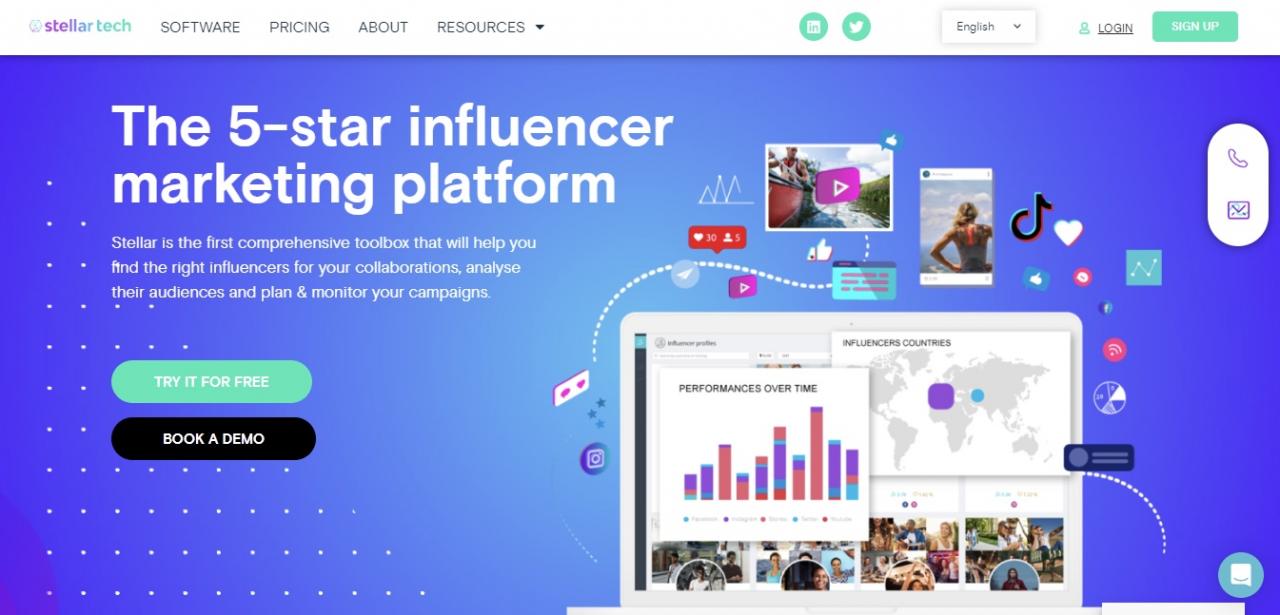
As we look ahead to the evolving landscape of content creation, several trends are poised to shape the platforms that creators use and the ways they engage with audiences. The intersection of technology, audience preferences, and innovative content formats will define the next chapter of creative expression. Creators must remain agile to adapt to these changes, ensuring their content remains relevant and resonates deeply with viewers.The future of content creation will be significantly influenced by advancements in technology.
Emerging tools and platforms will enhance production capabilities and streamline content distribution. Technologies like artificial intelligence (AI), virtual reality (VR), and augmented reality (AR) are not just buzzwords; they are creating new opportunities for immersive and interactive experiences that can captivate audiences in ways traditional methods cannot.
Technological Innovations Shaping Content Creation
Technological advancements are pivotal in transforming how content is produced, shared, and consumed. These innovations include:
- AI-Powered Tools: Tools that leverage AI to assist creators in editing, generating ideas, or even creating content autonomously. For example, platforms like Jasper.ai can help writers generate engaging text quickly.
- Immersive Experiences: The rise of VR and AR allows creators to develop interactive content that engages users on a deeper level. Think of virtual tours or AR filters that enhance storytelling.
- Blockchain Technology: This offers new ways for creators to monetize their work through NFTs (non-fungible tokens), giving them more control over their intellectual property.
- Live Streaming and Real-Time Engagement: Platforms like Twitch and Instagram Live have made real-time interaction a core part of content creation, allowing creators to connect with their audiences instantly.
Shifts in audience preferences are also critical in guiding the future of content creation. With an increasingly discerning viewer base, content creators need to focus on authenticity, community engagement, and diverse formats to maintain relevance.
Shifts in Audience Preferences
Understanding and adapting to audience preferences is essential for creators seeking to build lasting connections. Changes include:
- Preference for Authenticity: Audiences gravitate towards genuine, relatable content rather than overly polished productions. Creators should embrace their unique voices and share behind-the-scenes moments.
- Short-Form Content: Platforms like TikTok have popularized bite-sized videos, prompting creators to craft concise, engaging content that captures attention quickly.
- Community-Centric Content: Viewers are increasingly looking for content that fosters a sense of belonging. Creators who engage with their communities through comments and live sessions can cultivate loyal followers.
- Diversity and Inclusion: Audiences are more inclined to support creators who represent diverse backgrounds and perspectives. Creators should leverage this by showcasing varied narratives and voices.
As the landscape of content creation unfolds, embracing these trends will empower creators to navigate an ever-changing environment, ensuring they not only survive but thrive in the years to come.
Final Wrap-Up
In summary, the world of platforms for content creators is filled with potential for growth and innovation. As technology advances and audience preferences evolve, these platforms will continue to adapt, offering creators more opportunities to engage, monetize, and expand their reach. Embracing these changes will be key for creators aiming to establish a lasting impact in their respective fields.
Questions and Answers
What are the most popular platforms for content creators?
Some of the most popular platforms include YouTube, Patreon, Twitch, Instagram, and TikTok, each catering to different types of content and audiences.
How do I choose the right platform for my content?
Consider your audience, the type of content you produce, and the monetization options available when selecting a platform.
Can I use multiple platforms simultaneously?
Yes, many content creators use multiple platforms to maximize their reach and engage with different audience segments effectively.
How do I promote my content on these platforms?
Utilize social media, collaborate with other creators, and engage with your audience to promote your content across various channels.
What challenges do content creators face?
Common challenges include audience growth, monetization issues, and platform algorithm changes, but these can often be navigated with strategic approaches.