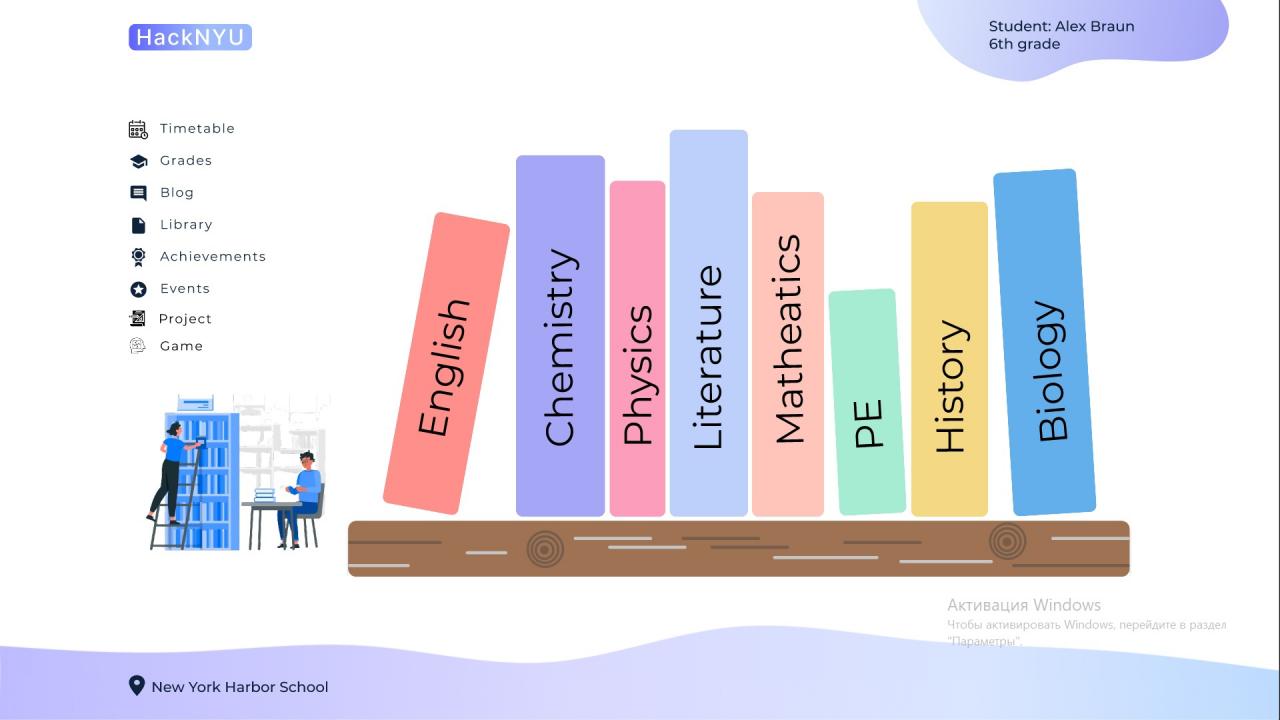
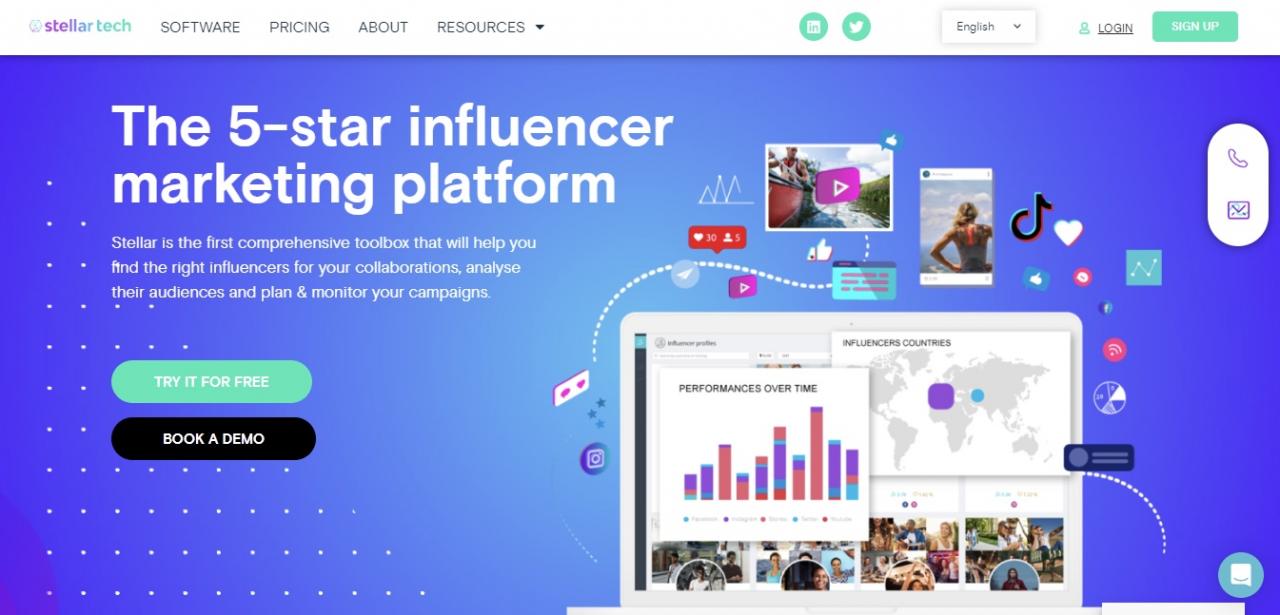
e learning platform wsei sets the stage for this enthralling narrative, offering readers a glimpse into a story that is rich in detail and brimming with originality from the outset.
This platform stands at the forefront of digital education, combining innovative tools and resources designed to enhance learning experiences. With its user-friendly interface and a diverse range of courses, WSEI responds to contemporary educational demands, making quality knowledge accessible to all.
Introduction to E-Learning Platforms
E-learning platforms serve as digital environments designed to facilitate learning through various online resources and tools. They integrate technology into educational processes, allowing students to access materials and courses from anywhere, at any time. These platforms have transformed traditional learning into more flexible and accessible forms, catering to diverse learning styles and preferences.The importance of e-learning in modern education cannot be overstated.
As technology continues to evolve, educational institutions and learners alike recognize the necessity of adapting to new methods of knowledge acquisition. E-learning platforms not only provide convenience but also enhance engagement through interactive content, immediate feedback, and personalized learning paths. They create opportunities for collaboration and community building, making education more inclusive.
Types of E-Learning Platforms
Various types of e-learning platforms are available, each catering to different educational needs and preferences. Understanding these different platforms helps users select the one that best fits their learning goals.
- Learning Management Systems (LMS): These are comprehensive platforms that manage and deliver educational courses, track learner progress, and provide resources. Popular examples include Moodle and Blackboard.
- Massive Open Online Courses (MOOCs): MOOCs offer large-scale courses online, often free of charge. They provide access to high-quality education from prestigious institutions, with platforms like Coursera and edX leading the way.
- Corporate E-Learning Platforms: Designed for employee training and development, these platforms focus on enhancing workplace skills. Examples include LinkedIn Learning and Skillsoft.
- Mobile Learning Platforms: These platforms optimize learning for mobile devices, allowing learners to access courses on-the-go. Duolingo is a prime example, focusing on language acquisition through a mobile interface.
“The future of education lies in the adaptability and accessibility offered by e-learning platforms.”
With the rise of e-learning platforms, educational opportunities have expanded beyond traditional classroom settings. The choice of platform can significantly influence the learning experience, making it essential for learners to understand the various options available.
Overview of WSEI E-Learning Platform
The WSEI e-learning platform is designed to offer a rich and interactive educational experience tailored to meet the demands of today’s learners. It serves as a comprehensive hub where students can access a variety of courses, engage with instructors, and connect with peers in a virtual environment. The platform emphasizes flexibility, allowing users to learn at their own pace while providing the necessary tools to support their educational journey.One of the standout features of the WSEI platform is its focus on personalized learning experiences.
This includes adaptive learning technology that adjusts the content and pace based on individual learner’s needs, ensuring that everyone can achieve their educational goals. In addition, WSEI integrates social learning tools, enabling students to collaborate on projects and discussions, fostering a sense of community and enhancing the learning process. The platform also offers high-quality multimedia content, including videos, interactive quizzes, and gamified elements to make learning engaging.
Unique Features of WSEI
WSEI distinguishes itself from other e-learning platforms through several key attributes that enhance the student experience:
- Adaptive Learning Technology: This feature customizes the learning path for each student, providing tailored resources and assessments to cater to their unique needs and learning styles.
- Collaborative Learning Environment: The platform incorporates social learning features, such as discussion boards and group projects, which enhance peer interaction and knowledge sharing.
- Extensive Resource Library: WSEI offers an extensive repository of resources including articles, videos, and research papers to support diverse learning topics.
- Mobile Compatibility: The platform is optimized for mobile devices, allowing students to access course materials and engage with their peers anytime, anywhere.
- Expert-Led Courses: Courses are designed and delivered by industry experts, ensuring that the content is relevant and up-to-date with current trends and practices.
Target Audience for WSEI Platform
The WSEI e-learning platform is primarily aimed at a diverse audience that includes:
- Students: Individuals seeking to enhance their knowledge and skills in various fields, whether for academic purposes or personal development.
- Working Professionals: Those looking to upskill or reskill to stay competitive in their respective industries, who benefit from the platform’s flexible learning options.
- Educators: Instructors who wish to develop engaging online courses and connect with a global student base, utilizing the platform’s robust tools.
- Organizations: Companies looking to provide training and development resources for their employees to foster a culture of continuous learning.
Learning Tools and Resources Offered

The WSEI e-learning platform is designed to equip learners with a variety of educational tools and resources that enhance the overall learning experience. This comprehensive selection caters to diverse learning styles and needs, ensuring that all students have the opportunity to engage with the material effectively.The platform provides numerous digital resources that facilitate interactive and engaging learning. With a focus on both theoretical knowledge and practical application, WSEI offers access to an array of materials that support academic growth and professional development.
Educational Tools Available within WSEI
WSEI incorporates several educational tools that bolster the learning experience. These tools are designed to promote collaboration, creativity, and critical thinking among learners. The following list highlights the primary tools available on the platform:
- Virtual Classrooms: Interactive spaces where students can participate in live lectures, discussions, and group projects from anywhere, fostering real-time engagement with instructors and peers.
- Discussion Forums: Online platforms that allow students to discuss topics, share ideas, and ask questions, promoting a community of learning and support.
- Assessment Tools: Integrated quizzes and exams that provide instant feedback, helping students to track their progress and understanding of the material.
- Interactive Multimedia Content: A variety of videos, podcasts, and simulations that cater to different learning preferences and enhance the understanding of complex concepts.
- Resource Libraries: Extensive collections of academic texts, research papers, and case studies accessible to students for deeper exploration of subjects.
Digital Resources and Materials Provided through WSEI
WSEI offers a rich selection of digital resources that aid in academic and professional pursuits. These materials are essential for enhancing the learning process and are accessible to all registered users. Examples include:
- eBooks: A wide range of electronic books across various disciplines, providing students with up-to-date information and research.
- Webinars: Live and recorded sessions conducted by experts in their fields, offering insights into current trends and practices.
- Online Workshops: Skill-building sessions that provide practical experience and knowledge in specific areas of interest.
- Case Studies: Real-life examples that illustrate theoretical concepts, enabling students to apply knowledge in practical scenarios.
- Research Databases: Access to journal articles, publications, and other academic resources that support advanced study and research initiatives.
Comparison of Learning Resources
To provide a clearer perspective on the unique offerings of WSEI, a comparison table is presented below, illustrating how WSEI stands against other popular e-learning platforms.
| Feature | WSEI | Platform A | Platform B |
|---|---|---|---|
| Virtual Classrooms | Yes | Yes | No |
| Discussion Forums | Yes | No | Yes |
| Assessment Tools | Comprehensive | Basic | Intermediate |
| Interactive Multimedia Content | Extensive | Limited | Moderate |
| Resource Libraries | Rich Collection | Moderate Collection | Limited Collection |
“WSEI empowers learners with tools and resources needed to thrive in a digital learning environment.”
User Experience and Interface Design
The WSEI platform has been meticulously designed with a user-centric approach, ensuring that learners have an engaging and smooth experience while navigating through various courses and resources. This design philosophy emphasizes simplicity, accessibility, and intuitive interactions that cater to the diverse needs of students.At the core of the WSEI platform is the belief that an effective interface should enhance learning rather than hinder it.
This philosophy drives the creation of clean layouts, easily navigable menus, and responsive elements that adapt to user behavior and preferences. Feedback from users plays a critical role in shaping the design, allowing for continuous improvement based on real interactions.
Design Philosophy Behind the WSEI Platform Interface
The design philosophy of the WSEI platform focuses on creating an inclusive environment that promotes effective learning. The principles guiding this philosophy include:
- Clarity: The interface presents information in a clear and straightforward manner, minimizing confusion and allowing users to focus on learning.
- Consistency: Design elements are uniform across the platform, helping users develop familiarity and ease of use.
- Accessibility: The platform is designed to be accessible to users with varying abilities, incorporating features such as adjustable text sizes and alt text for images.
- Responsiveness: The interface adapts seamlessly to different devices, ensuring a consistent experience whether on a desktop, tablet, or mobile phone.
User Experience Prioritization on the WSEI Platform
Prioritizing user experience means understanding the needs and preferences of learners, and the WSEI platform excels in this regard. This commitment is reflected in several key areas:
- User Research: Regular surveys and focus groups help gather insights into user needs, guiding feature enhancements and interface tweaks.
- Personalization: Users can customize their dashboards, enabling them to access frequently used resources quickly and efficiently.
- Intuitive Navigation: Clear pathways and logical categorization of courses reduce the cognitive load on users, allowing them to find desired content effortlessly.
- Support Resources: A dedicated help center is available, providing FAQs, tutorials, and live chat options to assist users whenever needed.
Feedback Mechanisms for Enhancing User Experience
WSEI places significant emphasis on feedback as a vital component for continuous improvement. Users are empowered to share their thoughts and experiences through various channels:
- Surveys: Post-course surveys gather user insights about their learning experience, allowing for actionable improvements.
- Rating Systems: Users can rate courses and instructors, providing valuable data on what works well and what needs attention.
- Suggestion Boxes: An accessible feature enables users to submit suggestions directly, fostering a community-driven approach to enhancements.
- User Forums: Discussion boards facilitate peer-to-peer interactions, where users can share tips, resources, and feedback on their experiences.
Course Structure and Curriculum
The WSEI e-learning platform offers a well-structured curriculum designed to meet the diverse learning needs of students. Its courses are developed with a focus on practical skills and theoretical knowledge, ensuring that learners are well-prepared for their future careers.The courses are organized into a variety of fields, including technology, business, health, and arts. Each course is divided into modules that cover specific topics, allowing for a systematic approach to learning.
This modular structure not only aids in comprehension but also provides learners with the flexibility to study at their own pace.
Course Offerings
The WSEI platform features a range of courses tailored to different academic and professional goals. Here is a breakdown of the primary offerings:
- Technology: Courses cover programming, data science, cybersecurity, and artificial intelligence.
- Business: Topics include marketing, finance, management, and entrepreneurship.
- Health: Courses focus on public health, healthcare management, and nutrition.
- Arts: This segment includes digital media, graphic design, and performing arts.
Course Format and Structure
Courses on the WSEI platform are designed to be engaging and accessible, utilizing various formats to cater to different learning styles. Each course typically includes:
- Video lectures that provide detailed explanations and real-world examples.
- Interactive quizzes and assignments to reinforce knowledge and skills.
- Discussion forums where students can engage with instructors and peers.
- Supplementary materials such as readings and case studies to deepen understanding.
This blend of content ensures that students can absorb the material effectively while also applying what they learn in practical scenarios.
Assessment Methods
Assessment is a critical component of the learning process on the WSEI platform. A variety of methods are employed to evaluate student performance, ensuring a comprehensive understanding of the material. Assessment strategies include:
- Quizzes that test knowledge retention and comprehension.
- Project submissions that allow students to apply theoretical concepts to practical situations.
- Peer reviews which encourage collaborative learning and critical thinking.
- Final exams that assess the overall grasp of course content.
These methods provide a holistic approach to evaluating student performance, ensuring that assessments are aligned with learning objectives and the real-world application of skills.
Community and Support Features
The WSEI platform emphasizes the importance of community and support in enhancing the learning experience for both learners and educators. By fostering a collaborative and interactive environment, WSEI aims to create a space where participants can share knowledge, seek assistance, and engage in meaningful discussions.One of the key aspects of the platform is its community-building features, which facilitate connections among users.
These features include discussion forums, social groups, and user profiles that enable participants to share their experiences and insights. Additionally, the platform offers various support services tailored to meet the diverse needs of learners and educators, ensuring everyone has access to the necessary resources for success.
Community-Building Features
The WSEI platform incorporates several community-building features that enhance user engagement and collaboration. These features are vital for creating a sense of belonging and support among learners and educators.
- Discussion Forums: Users can participate in topic-based forums where they can ask questions, share resources, and engage in discussions with peers and instructors.
- Social Groups: Learners can join or create groups based on interests or courses, allowing them to collaborate on projects and share insights.
- User Profiles: Each user has a profile that showcases their achievements, interests, and activity on the platform, promoting networking and interactions.
- Event Calendars: The platform features calendars for webinars, study groups, and workshops, encouraging users to participate in live discussions and events.
Support Services
WSEI provides a range of support services aimed at ensuring learners and educators have the resources they need. These services are essential for addressing any challenges users may encounter during their learning journey.
- 24/7 Technical Support: Users can access round-the-clock technical assistance to resolve any issues related to the platform’s functionality.
- Academic Advising: Learners can seek guidance from academic advisors who help them navigate course selections and study strategies.
- Resource Center: A comprehensive library of educational materials, including articles, videos, and e-books, is available to support learning.
- Peer Mentoring: Experienced users can mentor newcomers, helping them acclimate to the platform and providing valuable insights.
Collaborative Learning Facilitation
The WSEI platform is designed to facilitate collaborative learning through various interactive tools and features, enhancing the overall educational experience.
- Group Projects: Users can work together on projects, sharing tasks and responsibilities to achieve common goals.
- Live Collaboration Tools: Real-time tools such as shared documents and virtual whiteboards enable users to brainstorm and create together.
- Feedback Mechanisms: Users can provide and receive feedback on assignments and projects, fostering a culture of continuous improvement.
- Interactive Learning Modules: Courses often include elements that require teamwork, encouraging learners to collaborate and engage actively.
“Collaboration enhances understanding and retention, making learning more effective for everyone involved.”
Technological Integration and Innovations
The WSEI platform embraces cutting-edge technologies to create a dynamic and interactive learning environment. By integrating various tools and innovations, the platform not only enhances the educational experience but also keeps learners engaged and motivated.The WSEI platform incorporates several technologies designed to streamline access to learning resources and facilitate communication between students and instructors. Key integrations include Learning Management Systems (LMS), cloud-based storage solutions, and real-time collaboration tools.
These technologies provide users with an intuitive interface that supports a wide range of learning styles and preferences.
Integrated Technologies
The following technologies are pivotal in the functionality and appeal of the WSEI platform:
- Learning Management System (LMS): The LMS serves as the backbone of the platform, allowing educators to create, manage, and deliver content effectively.
- Cloud Computing: Cloud storage enables easy access to course materials and ensures that users can learn from anywhere at any time.
- Video Conferencing Tools: Real-time video sessions foster direct communication and interaction, replicating a classroom atmosphere in a virtual setting.
- Gamification Features: Incorporating game-like elements such as points, badges, and leaderboards increases motivation and encourages regular participation.
These technologies seamlessly work together, providing a user-friendly experience while enhancing accessibility to educational content.
Innovative Learning Experiences
WSEI continually innovates to elevate the learning experience, utilizing technology to tailor education to individual needs. Several innovations have been implemented, each aiming to provide a unique approach to learning.
- Personalized Learning Paths: By analyzing user performance and preferences, the platform can customize course recommendations, ensuring that learners follow paths that align with their goals.
- Interactive Multimedia Content: Utilizing videos, quizzes, and interactive simulations makes learning more engaging and helps reinforce concepts effectively.
- Virtual and Augmented Reality: These technologies immerse users in simulated environments, providing hands-on experiences that enhance comprehension and retention.
- AI-Powered Analytics: By leveraging artificial intelligence, the platform gathers insights into user engagement and learning outcomes, allowing for continuous improvement of the educational experience.
These innovative approaches not only improve the way information is delivered but also deepen learners’ understanding of the material.
User Engagement Strategies
Engaging users is a critical aspect of any educational platform. WSEI employs various strategies to ensure that learners remain active participants in their educational journey.
- Discussion Forums: These forums provide a space for students to interact with peers and instructors, facilitating collaboration and the exchange of ideas.
- Real-Time Feedback: Instant feedback on assessments and tasks helps learners identify areas for improvement, promoting a growth mindset.
- Mobile Accessibility: With a mobile-friendly interface, users can access content on-the-go, making learning more flexible and convenient.
- Incentivized Learning: Offering rewards for course completion and participation encourages learners to stay engaged and motivated throughout their studies.
These strategies are essential for maintaining learner interest and enhancing the overall educational experience, ensuring that WSEI remains at the forefront of e-learning innovation.
Analytics and Progress Tracking
The effectiveness of an e-learning platform is heavily reliant on its ability to monitor and analyze learner progress. At WSEI, robust analytics tools are integrated to provide insights into user engagement and performance. This allows both learners and educators to identify strengths and areas for improvement, ensuring a tailored learning experience that evolves based on data-driven decisions.The analytics capabilities at WSEI are designed to empower users with actionable insights.
By leveraging real-time data, educators can adjust their course materials and teaching strategies to better meet the needs of their students. This continuous feedback loop enhances the learning journey, making it more efficient and effective for everyone involved.
Analytics Tools and Features
WSEI offers a variety of analytics tools that track learner progress and engagement metrics. Understanding these features can help users maximize their learning experience. Below is a table that compares WSEI’s analytics features with those of other popular e-learning platforms:
| Feature | WSEI | Platform A | Platform B |
|---|---|---|---|
| Real-time Progress Tracking | ✔ | ✔ | ✘ |
| Detailed Performance Reports | ✔ | ✔ | ✔ |
| Customizable Dashboards | ✔ | ✘ | ✔ |
| Engagement Analytics | ✔ | ✔ | ✔ |
| Student Feedback Integration | ✔ | ✘ | ✘ |
The tools available through WSEI not only track learning outcomes but also integrate student feedback into the analytics process. This holistic approach ensures that course adjustments are informed by actual learner experiences, leading to an enriched educational environment.
“Data-driven decisions are the cornerstone of an adaptive learning platform.”
Accessibility and Inclusivity
In the digital age, it’s vital that e-learning platforms prioritize accessibility and inclusivity, ensuring that all learners can engage and thrive in their educational pursuits. WSEI recognizes the diverse needs of its students and has implemented various measures to support an environment where every individual can succeed, regardless of their background or abilities.WSEI takes a proactive approach to ensure that its online learning environment is accessible to all learners.
This includes compliance with international accessibility standards such as the Web Content Accessibility Guidelines (WCAG). The platform offers features like screen reader compatibility, keyboard navigation, and adjustable text sizes to accommodate learners with visual impairments. Additionally, all multimedia content is equipped with captions and transcripts, allowing those who are deaf or hard of hearing to access the information fully.
Importance of Inclusivity in E-Learning Environments
Inclusivity in e-learning environments fosters a sense of belonging and encourages participation from all learners. By creating a culture where everyone feels valued and included, educational institutions can enhance the overall learning experience and outcomes for their students. Inclusive practices help break down barriers that may prevent individuals from fully engaging with the learning material, thus promoting equal opportunities for success.Examples of how WSEI accommodates diverse learning needs include personalized learning paths and various assessment methods.
For instance, learners can choose from multiple formats for assignments, such as video presentations, written reports, or creative projects, allowing them to showcase their knowledge in ways that align with their strengths. Furthermore, WSEI offers support services such as mentoring and tutoring for students who may need additional guidance or resources to succeed in their studies.
“Inclusivity in education is not just about physical presence; it’s about ensuring every voice is heard and valued.”
Future Trends in E-Learning with WSEI
As the landscape of education continues to evolve, e-learning platforms like WSEI are positioned to embrace new trends that enhance the learning experience. Understanding these emerging trends is crucial for adapting to the needs of students and educators. WSEI is committed to staying at the forefront of these developments, ensuring its platform remains innovative and relevant.One of the most significant trends in e-learning is the integration of Artificial Intelligence (AI) and machine learning, which are transforming how educational content is delivered and personalized.
These technologies enable platforms to analyze user data and adapt learning paths accordingly, providing tailored experiences that cater to individual learning styles and paces. This personalization not only improves engagement but also enhances overall learning outcomes.
Emerging Technologies Shaping E-Learning
Several key technologies are anticipated to shape the future of e-learning, offering opportunities for WSEI to enhance its platform:
- Virtual and Augmented Reality (VR/AR): The incorporation of VR and AR allows for immersive learning experiences, enabling students to engage with complex concepts in a simulated environment. For example, medical students can practice surgical procedures in a virtual setting, enhancing their skills without real-world consequences.
- Gamification: Utilizing game design elements in educational contexts promotes motivation and engagement. Platforms can implement quizzes, challenges, and rewards, making learning more interactive and enjoyable. WSEI can leverage gamification to increase participation rates among students.
- Mobile Learning: With the increasing use of smartphones and tablets, mobile learning is becoming essential. WSEI can develop mobile-friendly content, allowing students to access materials anywhere and anytime, fostering a more flexible learning environment.
- Data Analytics: Advanced data analytics will enable WSEI to monitor student progress in real-time, identifying trends and areas needing improvement. This data-driven approach can enhance teaching strategies and provide timely support to students.
Future Features for WSEI Platform
WSEI is exploring several features that will improve the learning experience and keep pace with industry advancements. These include:
- Adaptive Learning Systems: By employing algorithms that adjust content based on user performance, WSEI can offer personalized learning experiences that cater to individual student needs.
- Collaborative Learning Tools: Increasing the use of collaborative tools will enhance peer-to-peer interaction and facilitate group projects, allowing students to learn from each other and develop teamwork skills.
- Integration of Social Learning: Incorporating social media elements into the platform can create a community where learners share insights and resources, fostering a rich learning environment.
- Enhanced Accessibility Features: Ensuring the platform is accessible to all students, including those with disabilities, is critical. By implementing screen readers, voice commands, and other assistive technologies, WSEI can support a diverse student body.
“By embracing new technologies and trends, WSEI will not only enhance educational delivery but also prepare students for a rapidly changing world.”
Adapting to Changing Educational Needs
To effectively adapt to the shifting educational landscape, WSEI must remain responsive to the evolving needs of students and educators. Continuous feedback mechanisms, such as surveys and focus groups, can provide valuable insights into user experiences and expectations. By fostering a culture of innovation and flexibility, WSEI can ensure its platform evolves in accordance with learner demands.Investing in faculty training is also crucial.
Educators must be equipped with the skills to leverage new technologies in their teaching practices effectively. Additionally, partnering with industry leaders can provide WSEI with insights into the latest trends and innovations in the field of education.In summary, as WSEI anticipates and adapts to future trends in e-learning, it will not only enhance its platform but also significantly improve the educational experience it provides to its learners.
By being proactive and innovative, WSEI can ensure that it remains a leader in the e-learning space.
Ultimate Conclusion
In conclusion, the e learning platform wsei not only meets the needs of today’s learners but also paves the way for future educational endeavors. With its exceptional features and commitment to inclusivity, WSEI is poised to redefine how we engage with knowledge, ensuring that every learner can thrive in this evolving landscape.
Popular Questions
What types of courses are available on the WSEI platform?
The WSEI platform offers a variety of courses ranging from technical skills to soft skills, catering to different learning needs.
Is there a mobile app for the WSEI platform?
Yes, WSEI provides a mobile app that allows users to access courses and resources on the go.
Can I track my progress on the WSEI platform?
Absolutely! The platform features robust analytics tools that help learners monitor their progress and performance.
Are there any support services available for students?
Yes, WSEI offers various support services, including technical assistance and academic advising to enhance the learning experience.
How does WSEI ensure accessibility for all learners?
WSEI implements multiple accessibility features, such as screen reader compatibility and adjustable text size, to accommodate diverse learning needs.