
Example of platform of education introduces a fascinating landscape where learning transcends traditional boundaries. Educational platforms have evolved significantly, embracing technology to create interactive and accessible learning experiences for diverse audiences.
These platforms, ranging from Learning Management Systems (LMS) to Massive Open Online Courses (MOOCs), cater to varying educational needs and preferences. As we delve into this topic, we’ll explore the essential features, advantages, challenges, and future trends shaping the world of digital education.
Definition and Overview of Educational Platforms
Educational platforms are digital environments designed to facilitate learning and teaching through various interactive tools and resources. They serve as a bridge between educators and learners, providing access to a wealth of information, instructional materials, and collaborative opportunities. The primary purpose of these platforms is to enhance the educational experience by making learning more accessible, engaging, and personalized.As technology has advanced, educational platforms have evolved significantly.
Today, various platforms cater to different learning needs and styles, allowing users to engage with content in diverse ways. Examples of popular educational platforms include Coursera, Udemy, Khan Academy, and edX. Each of these platforms offers a unique range of courses and resources, appealing to learners across various disciplines and levels of expertise.
Evolution of Educational Platforms
The evolution of educational platforms can be traced back to the early days of e-learning, where simple websites provided static resources for learners. Over the years, these platforms have transformed into dynamic environments that incorporate multimedia elements, interactive features, and social networking capabilities. The shift towards online education has been accelerated by the increasing availability of the Internet and advancements in technology.Initially, educational platforms primarily focused on delivering content through text and video lectures.
However, as user engagement and interactivity became crucial, many platforms began integrating features such as discussion forums, quizzes, and hands-on projects. This shift not only improved knowledge retention but also fostered a sense of community among learners.Key developments in the evolution of educational platforms include the following:
- Introduction of Learning Management Systems (LMS): These systems provide structured environments for course administration, tracking learner progress, and facilitating communication between educators and students.
- Mobile Learning: With the rise of smartphones and tablets, educational platforms have adapted to provide mobile-friendly content, allowing learners to access materials anytime, anywhere.
- Personalized Learning: Modern platforms often utilize algorithms to tailor learning experiences to individual users, addressing their unique needs and preferences.
- Gamification: The integration of game-like elements into educational platforms has made learning more engaging and motivating for users, encouraging them to progress through courses.
- Collaborative Learning: Many platforms now support group projects and social learning features, enabling learners to collaborate and share knowledge with one another.
“The evolution of educational platforms reflects the changing landscape of technology and learning preferences, creating opportunities for innovative educational experiences.”
The ongoing advancements in technology will continue to shape the future of educational platforms, making them even more integral to the learning process.
Types of Educational Platforms
Educational platforms have transformed the way learning is delivered and accessed. With advancements in technology, various platforms cater to diverse educational needs and audiences. Understanding these types helps learners, educators, and institutions choose the right fit for their goals and requirements.There are several distinct types of educational platforms, each designed for specific functionalities and target audiences. These platforms can range from Learning Management Systems (LMS) that facilitate the administration and delivery of educational courses to Massive Open Online Courses (MOOCs) designed for large-scale participation.
Below, we categorize these platforms and provide examples along with their intended audiences.
Learning Management Systems (LMS)
Learning Management Systems (LMS) are software applications used to deliver, track, and manage training and educational courses. They provide a centralized platform where educators can design courses, track learner progress, and assess performance. LMS platforms are particularly beneficial for organizations and educational institutions that require structured learning pathways.Some popular examples of LMS platforms include:
- Moodle: An open-source LMS widely used in educational institutions for its flexibility in course design.
- Canvas: Known for its user-friendly interface and integration capabilities, ideal for both K-12 and higher education.
- Blackboard: A comprehensive LMS that offers tools for course management, content delivery, and student engagement.
The targeted audience for LMS platforms primarily includes educators, trainers, and students within formal education settings, corporate training environments, and professional development programs.
Massive Open Online Courses (MOOC)
Massive Open Online Courses (MOOCs) are online courses aimed at unlimited participation and open access via the web. They often cover a wide variety of subjects and are typically free or low-cost. MOOCs provide a unique opportunity for learners to access high-quality education from renowned institutions without the constraints of traditional classroom settings.Notable examples of MOOC platforms include:
- Coursera: Partners with universities and organizations to offer courses that often lead to certifications or degrees.
- edX: Founded by Harvard and MIT, it provides a wide range of courses from various universities across the globe.
- Udacity: Focuses on technology and vocational training, providing “Nanodegree” programs in software development and data analysis.
The primary audience for MOOCs includes lifelong learners, professionals seeking skill enhancement, and individuals from diverse backgrounds aiming to further their education or career prospects.
Virtual Learning Environments (VLE)
Virtual Learning Environments (VLE) are interactive online spaces that combine various digital tools and resources to facilitate learning. VLEs often encompass features of both LMS and MOOCs while incorporating real-time communication tools such as forums, chats, and video conferencing.Examples of VLEs are:
- Google Classroom: Integrates with Google Workspace and is designed for teachers to create, distribute, and grade assignments.
- Microsoft Teams for Education: Offers collaboration tools along with video conferencing capabilities, making it suitable for remote learning.
- Schoology: Combines LMS features with social networking elements, allowing for an engaging learning experience.
VLEs target a broad audience, including K-12 schools, higher education institutions, and corporate training programs where collaboration and interaction are essential.
Content Sharing Platforms
Content sharing platforms facilitate the distribution and access of educational resources, allowing users to upload and share content like videos, articles, and presentations. These platforms often support peer learning and resource exchange among users.Prominent examples include:
- Khan Academy: Offers a wide array of instructional videos and practice exercises in various subjects, primarily aimed at K-12 students.
- SlideShare: A platform for sharing presentations and documents, useful for educators and professionals looking to share expertise.
- YouTube Edu: A dedicated section of YouTube that curates educational content, targeting learners of all ages.
The target audience for content sharing platforms is broad, encompassing students, educators, and professionals seeking accessible resources for learning and development.
Features and Functionalities of Effective Educational Platforms
Educational platforms play a crucial role in modern learning environments, catering to diverse learning needs and preferences. An effective platform must incorporate a variety of features and functionalities that enhance the educational experience for both students and educators. This discussion Artikels the essential elements that contribute to the efficacy of these platforms.
Essential Features of Effective Educational Platforms
An effective educational platform includes several key features that enhance learning and teaching experiences. The following aspects are pivotal in ensuring that a platform meets the needs of its users:
- Accessibility: Ensuring that content is available to users with varying abilities, including compatibility with screen readers and support for multiple languages.
- Content Variety: A diverse range of learning materials, including videos, articles, quizzes, and interactive modules, accommodates different learning styles.
- Assessment Tools: Built-in tools for quizzes, assignments, and grading systems that help educators evaluate student progress and understanding.
- Communication Features: Integrated messaging systems, forums, and chat options that facilitate communication between instructors and learners.
- Progress Tracking: Dashboards that allow users to monitor their performance and progress over time, enhancing motivation and accountability.
User Interface and User Experience Design Considerations
The user interface (UI) and user experience (UX) are fundamental to the success of any educational platform. A well-designed platform is intuitive and user-friendly, allowing users to navigate effortlessly.
“The best learning platforms prioritize user experience, making education accessible and engaging.”
Considerations for UI and UX design include:
- Simplicity: A clean, uncluttered design that minimizes distractions and focuses on essential features.
- Responsive Design: Ensuring compatibility across devices, including smartphones, tablets, and desktops, to provide a seamless learning experience.
- Visual Appeal: Utilizing attractive graphics and color schemes that enhance engagement without overwhelming the user.
- Feedback Mechanisms: Providing users with immediate feedback on their interactions, such as quizzes or forum posts, reinforces learning and promotes engagement.
Comparison of Functionalities Offered by Various Educational Platforms
Different educational platforms offer unique functionalities that cater to specific needs. This comparison highlights key functionalities provided by popular platforms:
- Moodle: An open-source platform known for its flexibility and customization, offering extensive plugins and course management features.
- Google Classroom: A user-friendly platform that integrates with Google Workspace, facilitating assignment distribution and collaboration.
- Canvas: Known for its intuitive design and robust analytics tools, it allows educators to create engaging courses with multimedia content.
- Edmodo: A social learning platform that emphasizes communication and collaboration among students and teachers, with tools for assessment and grading.
Advantages of Using Educational Platforms
Educational platforms have rapidly transformed the landscape of learning and teaching, making education more accessible and engaging for both learners and educators. These platforms leverage technology to deliver a diverse set of resources, fostering an interactive learning environment that caters to various learning styles. As education continues to evolve, the many advantages of utilizing these platforms become increasingly clear.One of the primary benefits of educational platforms is their ability to provide personalized learning experiences.
By incorporating adaptive learning technologies, these platforms allow learners to progress at their own pace, receiving tailored content and assessments that align with their individual needs. This personalized approach can lead to improved retention and understanding of material, as learners engage with content that resonates with them.
Enhanced Accessibility and Inclusivity
Educational platforms play a significant role in enhancing access to education for diverse populations. They break down geographical barriers and provide opportunities for individuals who may face challenges in traditional educational settings. The following points highlight how these platforms promote accessibility and inclusivity:
- Flexible Learning Environments: Students can access courses and materials from anywhere with an internet connection, allowing those with mobility issues or other constraints to participate fully in their education.
- Diverse Learning Materials: Educational platforms often offer a range of formats (videos, quizzes, interactive simulations) which cater to different learning styles and preferences, ensuring that all learners can find resources that work for them.
- Support for Diverse Needs: Many platforms include features such as screen readers, text-to-speech options, and customizable interfaces, making them more user-friendly for individuals with disabilities.
The effectiveness of educational platforms is often substantiated by statistics and case studies. According to a report by the Online Learning Consortium, students who engage with online learning platforms tend to perform better than their peers in traditional classroom settings. For instance, a study conducted at the University of Phoenix found that online students scored, on average, 10% higher on assessments compared to their face-to-face counterparts.Moreover, platforms like Coursera and edX have demonstrated that learner satisfaction is high, with completion rates for courses ranging from 40% to 60% for engaged users, reflecting a positive impact on motivation and learning outcomes.
These statistics underscore the potential of educational platforms to not only enhance learning but also to create a more equitable educational landscape for all students.
Challenges and Limitations of Educational Platforms
The rise of educational platforms has revolutionized the way we learn, offering unparalleled access to resources and opportunities. However, despite their many benefits, these platforms face several challenges and limitations that affect both users and providers. Understanding these hurdles is crucial for improving user experience and ensuring effective learning outcomes.A significant challenge for users of educational platforms is the variability in digital literacy.
Not all users possess the necessary skills to navigate complex interfaces or utilize advanced features. Moreover, accessibility issues often arise, particularly for learners with disabilities who may find it difficult to engage with certain content formats. Other challenges include the lack of personalized support, which can make it hard for users to stay motivated and on track with their studies.
Technology and Infrastructure Limitations
The effectiveness of educational platforms is heavily dependent on reliable technology and infrastructure. Users often encounter several limitations that hinder their learning experiences. The following points highlight some key areas of concern:
- Internet Connectivity: Many users in remote areas experience unstable or slow internet connections, which can disrupt access to learning materials and live sessions. This digital divide creates significant disparities in educational opportunities.
- Device Compatibility: Not all devices support every educational platform’s features, leading to compatibility issues. Users may struggle with outdated hardware or software that cannot run necessary applications smoothly.
- Security Risks: Online platforms are susceptible to data breaches and cyber-attacks, which can compromise user data and erode trust. Educational platforms must prioritize robust security measures to protect sensitive information.
Platforms are actively addressing these challenges through various strategies. For instance, many organizations are investing in adaptive technology that tailors learning experiences to individual user needs. Additionally, partnerships with local internet service providers aim to improve access for underserved populations. Furthermore, enhancing platform security protocols helps to mitigate risks associated with data protection.
Addressing these challenges not only improves user experience but also fosters a more inclusive learning environment.
Future Trends in Educational Platforms
The landscape of educational platforms is rapidly evolving, driven by advancements in technology and changing learner needs. As we look ahead, several emerging trends are set to shape the future of education, making learning more accessible, personalized, and efficient. Understanding these trends can help educators, institutions, and learners prepare for the next wave of educational transformation.One significant trend is the rise of immersive technologies, such as virtual reality (VR) and augmented reality (AR).
These tools provide interactive learning experiences that engage students in ways traditional methods cannot. For instance, medical students can practice surgeries in a virtual environment, while history classes can explore ancient civilizations through AR applications. The integration of these technologies is expected to enhance student engagement and retention.
Emerging Trends in Educational Technology
Several key trends are gaining traction in educational technology that will play a crucial role in shaping future learning environments. These include:
- Adaptive Learning: Personalized learning experiences are becoming more prevalent, allowing platforms to adjust content based on student performance and preferences. This approach tailors educational paths to individual needs, improving outcomes.
- Mobile Learning: With the increasing use of smartphones and tablets, educational resources are becoming more accessible through mobile platforms. This trend promotes learning on-the-go, catering to the lifestyles of modern learners.
- Data Analytics: Educational platforms are leveraging data analytics to track student engagement and performance. This data-driven approach enables educators to identify areas needing improvement and to implement targeted interventions.
- Collaboration Tools: Online collaboration tools are enhancing peer-to-peer learning and communication among students and instructors. Features like discussion boards, group projects, and shared resources foster a sense of community and teamwork.
- Gamification: Incorporating game elements into learning can increase motivation and make education more enjoyable. Points, badges, and leaderboards encourage students to engage with content actively.
Predictions for the Future of Educational Platforms
Current data suggests several predictions about the future of educational platforms, indicating that they will become more integrated and comprehensive. Notably:
- Increased Use of Artificial Intelligence: AI will play a pivotal role in automating administrative tasks, providing intelligent tutoring systems, and enhancing personalized learning experiences. For example, platforms like Coursera are already using AI to recommend courses tailored to individual interests and career goals.
- Expansion of Lifelong Learning: As industries evolve, the demand for continuous education will rise, leading to more platforms focusing on upskilling and reskilling workers. Companies will likely partner with educational institutions to offer curated training programs.
- Global Accessibility: The trend towards democratizing education will continue, with platforms striving to reach underserved populations. Initiatives like free online courses from prestigious universities are already paving the way for broader access to quality education.
Impact of Artificial Intelligence on Educational Platforms
Artificial intelligence is transforming educational platforms by introducing capabilities that enhance learning experiences and operational efficiency. The potential impacts of AI in education include:
- Personalized Learning: AI algorithms analyze student data to create customized learning pathways, enabling learners to progress at their own pace and focus on areas needing improvement.
- Intelligent Tutoring Systems: AI-driven tutors can provide instant feedback and support, helping students grasp concepts more effectively. These systems can adapt to individual learning styles and preferences.
- Administrative Efficiency: AI can streamline administrative tasks, such as grading assignments and managing schedules, allowing educators to focus more on teaching and interaction with students.
- Predictive Analytics: AI can forecast student outcomes based on historical data, enabling institutions to intervene early and provide support to at-risk students.
“The integration of innovative technologies, especially AI, is set to redefine the educational landscape, making learning more efficient and accessible.”
Case Studies of Successful Educational Platforms
The world of online education has seen a plethora of platforms emerge, each with its unique approach and offerings. This section delves into three exemplary educational platforms that have achieved remarkable success. By examining their strategies and what sets them apart from competitors, we can glean insights into effective practices in the online learning space.
Coursera
Coursera has positioned itself as a leading online learning platform, partnering with universities and organizations to provide courses, specializations, and degrees. The platform’s success can be attributed to a few key strategies:
- Partnerships with Renowned Institutions: Collaborating with prestigious universities like Stanford and Yale has enhanced its credibility and allowed it to offer a vast range of quality courses.
- Free Access to Course Material: By offering many courses for free, Coursera attracts a diverse audience, allowing users to learn without financial barriers.
- Micro-Credentials and Specializations: Coursera’s focus on micro-credentials enables learners to gain recognized qualifications that cater to specific skills in demand by employers.
The platform’s unique features, such as the ability to earn degrees from accredited institutions and its user-friendly interface, distinguish it from competitors. Coursera also utilizes a flexible learning model that accommodates different learning styles and schedules.
Udacity
Udacity is known for its “Nanodegree” programs, which are designed to meet the needs of the tech industry. The platform has carved out its niche by focusing on high-demand skills and offering hands-on projects. The strategies that have contributed to Udacity’s success include:
- Industry-Relevant Curriculum: Udacity collaborates with leading companies like Google and Amazon to develop course content that reflects current industry trends and requirements.
- Project-Based Learning: Each Nanodegree program includes real-world projects that allow students to build portfolios, significantly enhancing their employability.
- Mentorship and Career Services: Providing personalized mentorship and career services helps students navigate their learning paths and improve job placement rates.
Udacity’s emphasis on practical experience and its partnerships with industry leaders differentiate it from other platforms that may offer more traditional learning approaches.
Khan Academy
Khan Academy revolutionized online learning, particularly in K-12 education, by making quality education accessible to everyone for free. Its success is rooted in several core strategies:
- Personalized Learning Experience: The platform uses adaptive learning technologies to tailor educational content to each student’s pace and level of understanding.
- Wide Range of Subjects: Offering lessons in subjects ranging from math to arts allows Khan Academy to cater to a diverse student body.
- Focus on Mastery: The emphasis on mastering concepts before moving on ensures that students build a solid foundation, which is crucial for academic success.
Khan Academy’s unique approach to education, which combines engaging video content with interactive exercises, sets it apart from other educational platforms that may not focus as heavily on personalization or mastery-based learning.
Recommendations for Choosing an Educational Platform
Selecting the right educational platform is crucial for educators and learners alike. The choice can significantly affect the teaching and learning experience, impacting engagement, understanding, and overall effectiveness. As various platforms offer unique features and tools, it is essential to evaluate them against specific criteria that align with educational goals.To make an informed decision, it is important to consider how well a platform’s features correspond to the desired learning outcomes.
This involves identifying essential functionalities that facilitate teaching, enhance student engagement, and promote effective assessment methods. By focusing on these aspects, educators can ensure they are investing in a platform that meets their needs and those of their students.
Criteria for Evaluating Educational Platforms
When evaluating educational platforms, certain criteria should be prioritized. The following points highlight key factors to consider:
- User Experience: The platform should be intuitive and easy to navigate for both educators and students, minimizing the learning curve.
- Content Delivery: Look for platforms that support various content formats such as video, audio, quizzes, and interactive elements.
- Accessibility: Ensure the platform complies with accessibility standards, allowing all learners, including those with disabilities, to engage fully.
- Support and Training: A robust support system and available training resources can greatly enhance the implementation process.
- Integration Capabilities: The ability to integrate with existing tools and resources can streamline processes and create a cohesive learning environment.
Importance of Aligning Platform Features with Educational Goals
Aligning the features of an educational platform with specific educational goals is paramount. This alignment helps ensure that the chosen platform effectively supports the intended learning outcomes and teaching methodologies. For instance, if the goal is to enhance collaborative learning, a platform with strong collaborative tools and social features would be essential.Moreover, alignment promotes a more personalized learning experience. Educators can tailor their instructional strategies according to the functionalities available on the platform, thereby improving student engagement and performance.
Comparison Table of Key Features Across Various Platforms
To facilitate a thorough comparison of different educational platforms, the following table summarizes key features offered by some popular options. This will help in making an informed selection based on specific needs.
| Platform | User Experience | Content Delivery | Accessibility | Support and Training | Integration |
|---|---|---|---|---|---|
| Platform A | High | Video, Quiz | WCAG 2.1 Compliant | 24/7 Support | API Integrations |
| Platform B | Moderate | Text, Interactive | Limited | Online Training | CSV Upload |
| Platform C | Very High | All Formats | Fully Compliant | Dedicated Account Manager | Multiple Integrations |
This comparison illustrates how different platforms cater to various needs and educational goals. By thoroughly analyzing these features, educators can select a platform that not only meets their requirements but also enhances the overall educational experience.
Final Wrap-Up
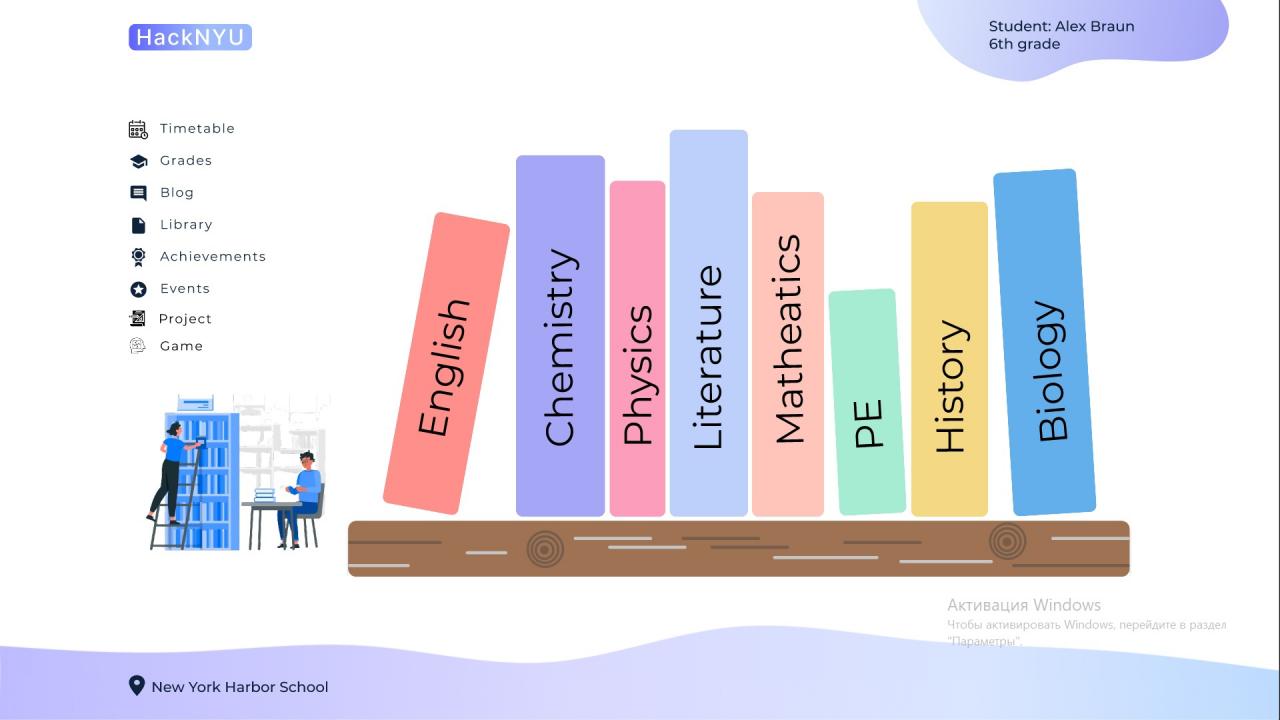
In summary, the journey through educational platforms reveals their transformative power in enhancing learning experiences. As technology continues to advance, these platforms will play a vital role in making education more inclusive, efficient, and tailored to individual needs.
Questions Often Asked
What is an educational platform?
An educational platform is a digital space that facilitates learning by providing resources, courses, and interactive tools for students and educators.
How do educational platforms enhance accessibility?
They offer flexible learning options, enabling students from various backgrounds and locations to access quality education at their convenience.
What should I consider when choosing an educational platform?
Evaluate the platform’s features, ease of use, alignment with educational goals, and user support when making your choice.
Are there any costs associated with using educational platforms?
Some platforms are free, while others may charge fees for premium content, certifications, or advanced features.
How do educational platforms support teacher-student interaction?
Many platforms include tools for communication, feedback, and collaboration, facilitating a more engaging learning environment.

